Frequently Asked Questions
Find answers to common questions about ordering, prescriptions, lenses, frames, and more. Can't find what you're looking for? Our team is here to help.
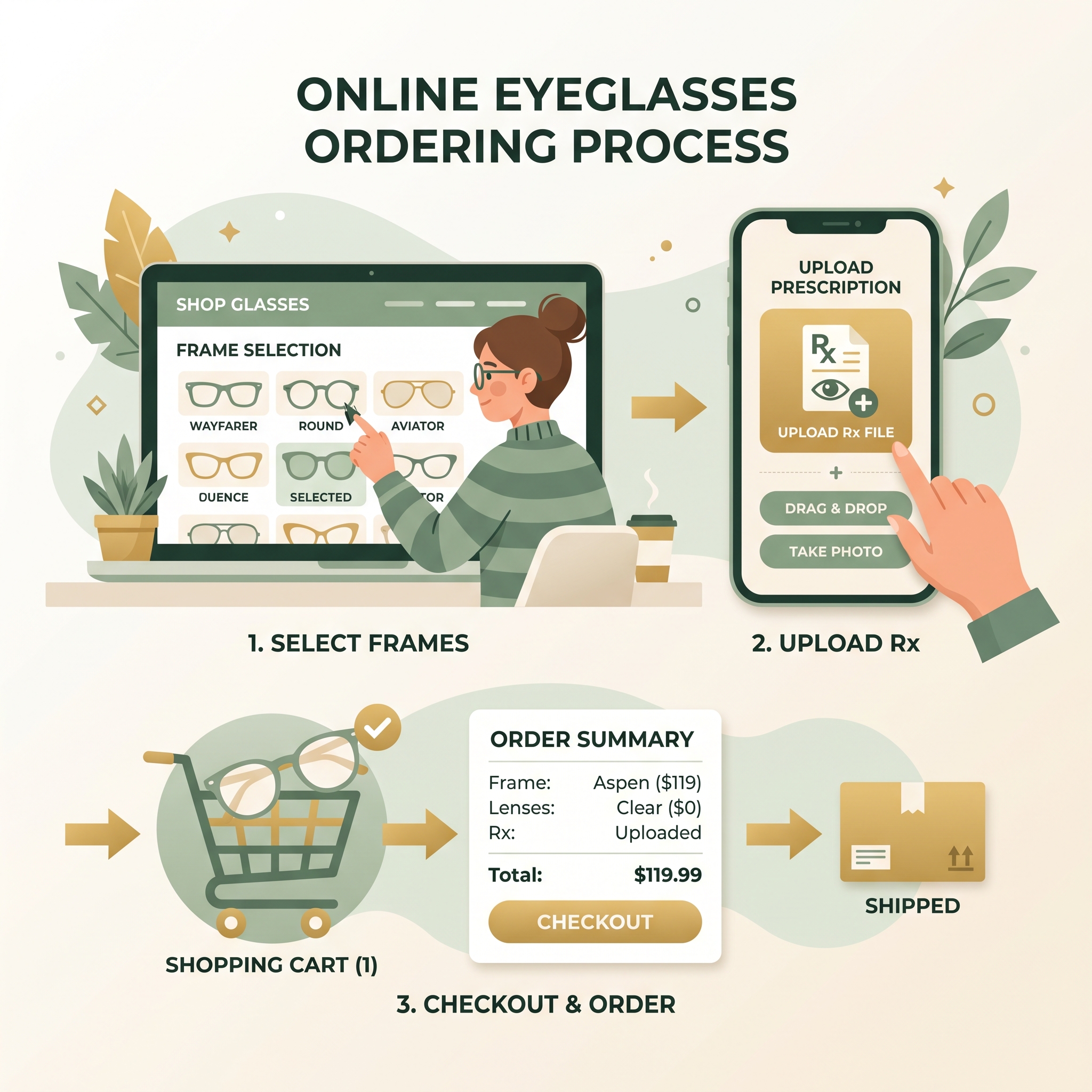
Ordering prescription glasses online is easy. Choose your favorite frame, enter or upload your prescription, select your lens type and coatings, and complete your purchase. Your custom glasses will be made according to your prescription and shipped directly to your door.
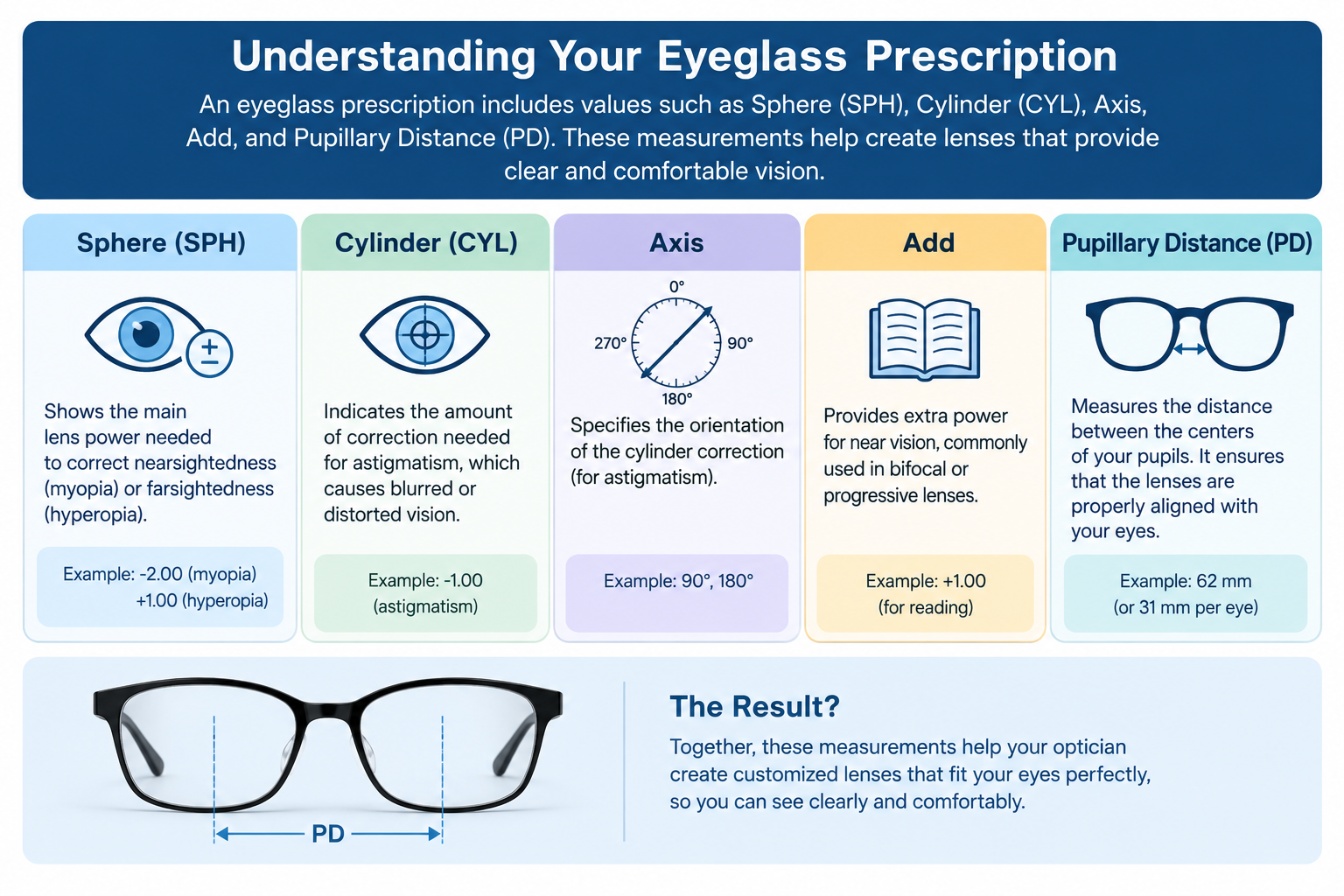
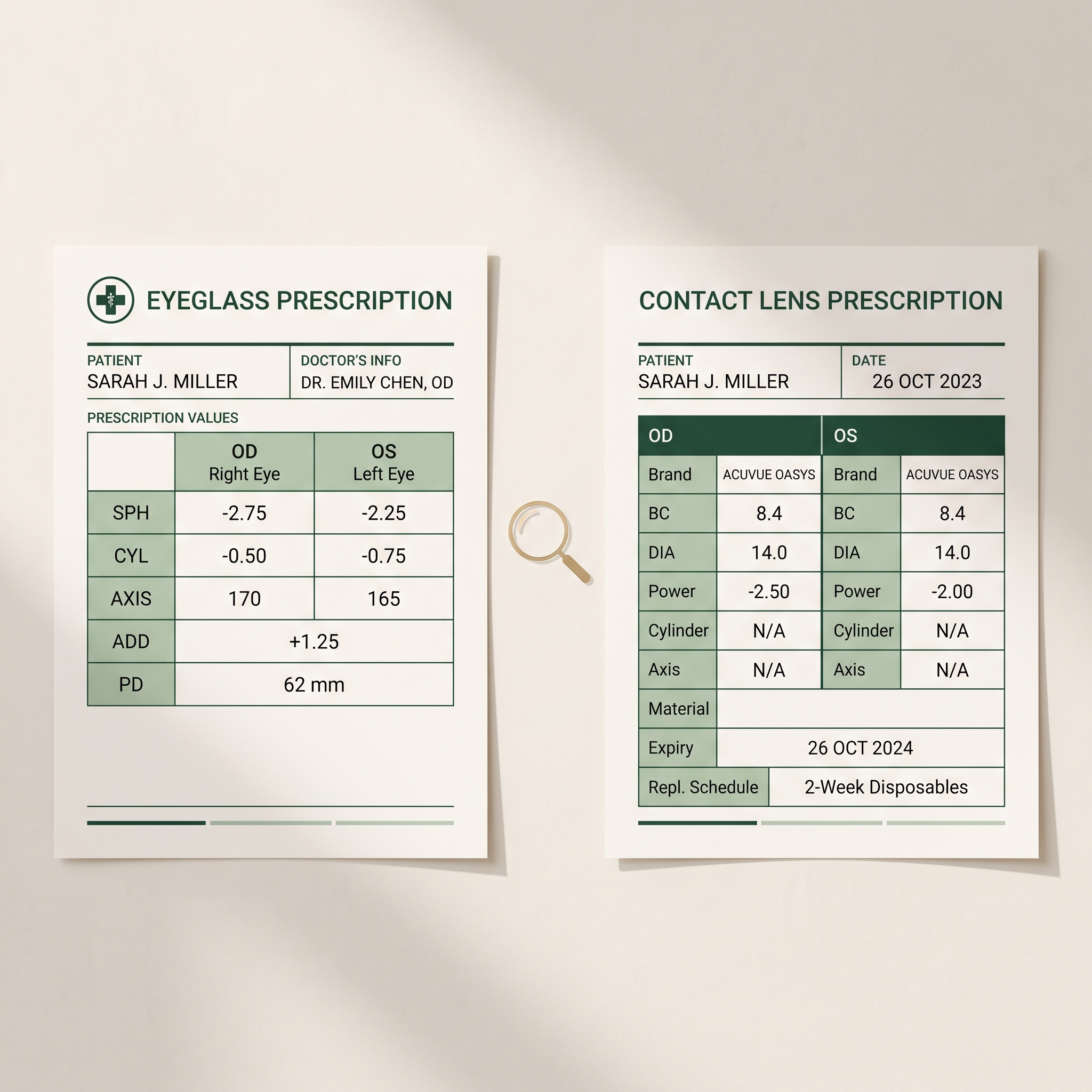
An eyeglass prescription includes values such as Sphere (SPH), Cylinder (CYL), Axis, Add, and Pupillary Distance (PD). These measurements help create lenses that provide clear and comfortable vision.
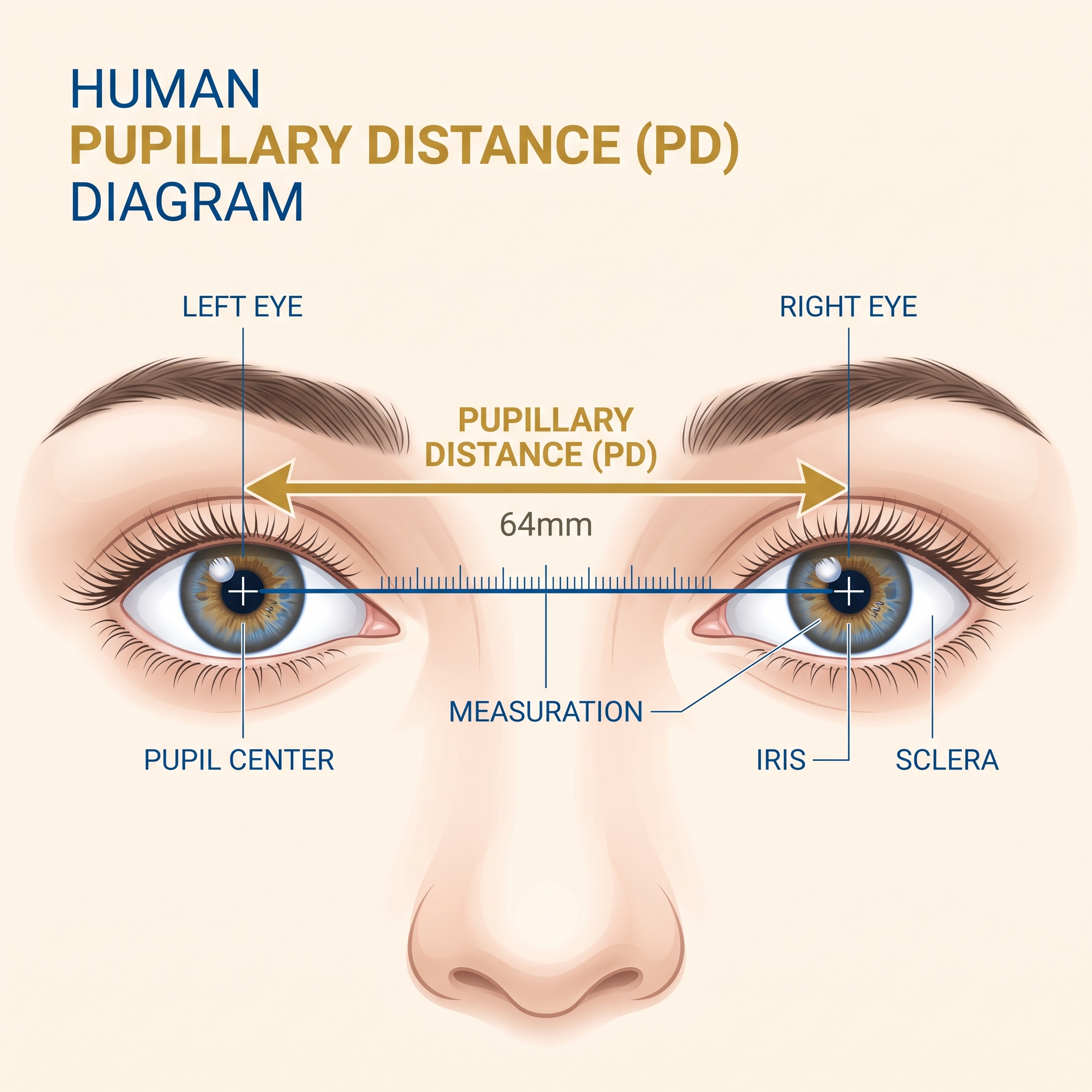
Pupillary Distance (PD) is the distance between the centers of your pupils, measured in millimeters. It ensures your prescription lenses are aligned correctly for the best vision.
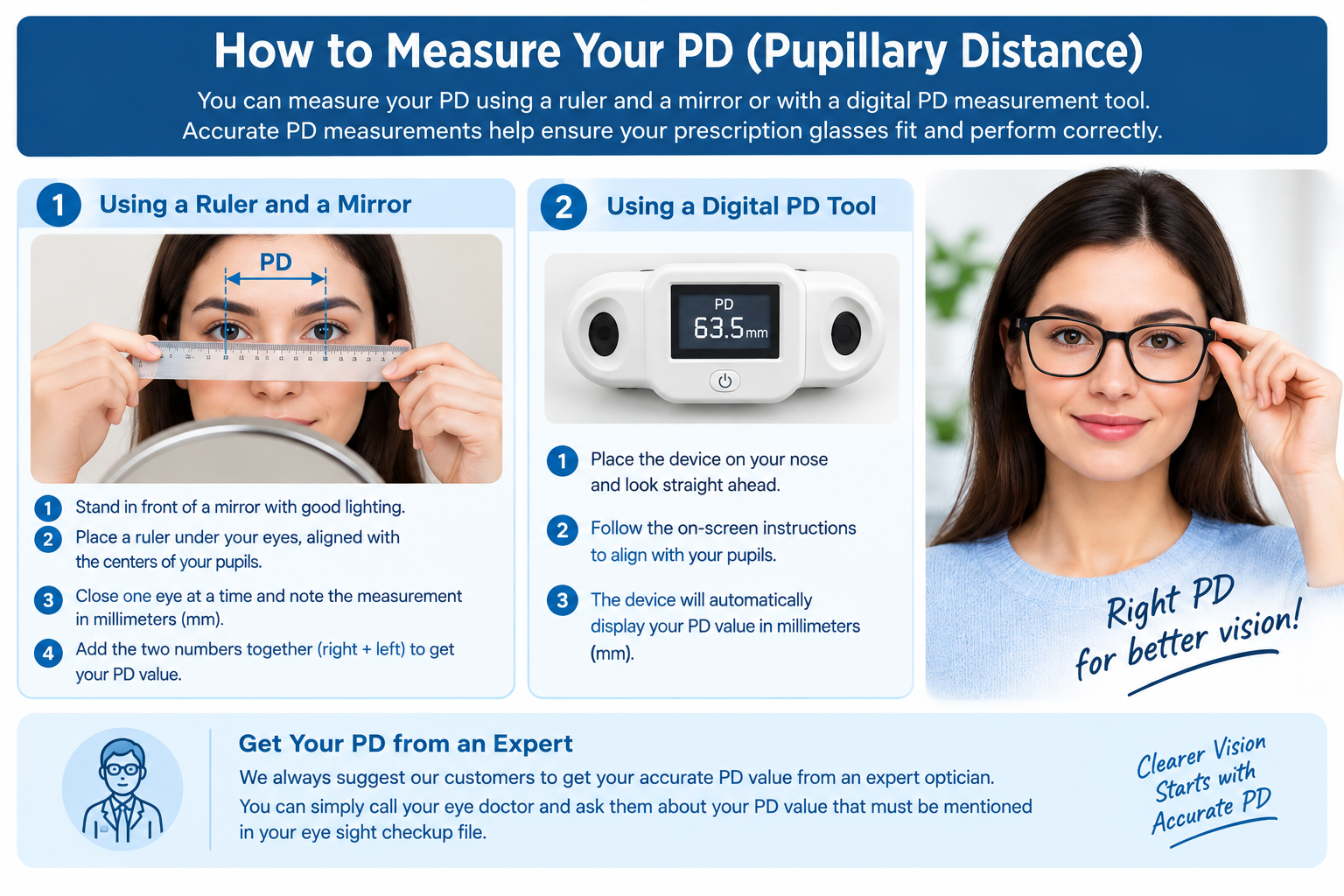
You can measure your PD using a ruler and a mirror or with a digital PD measurement tool. Accurate PD measurements help ensure your prescription glasses fit and perform correctly.
Simply select your frame, click the upload option during checkout, and upload a clear photo or scanned copy of your prescription. Make sure all prescription details are visible, including your pupillary distance (PD).
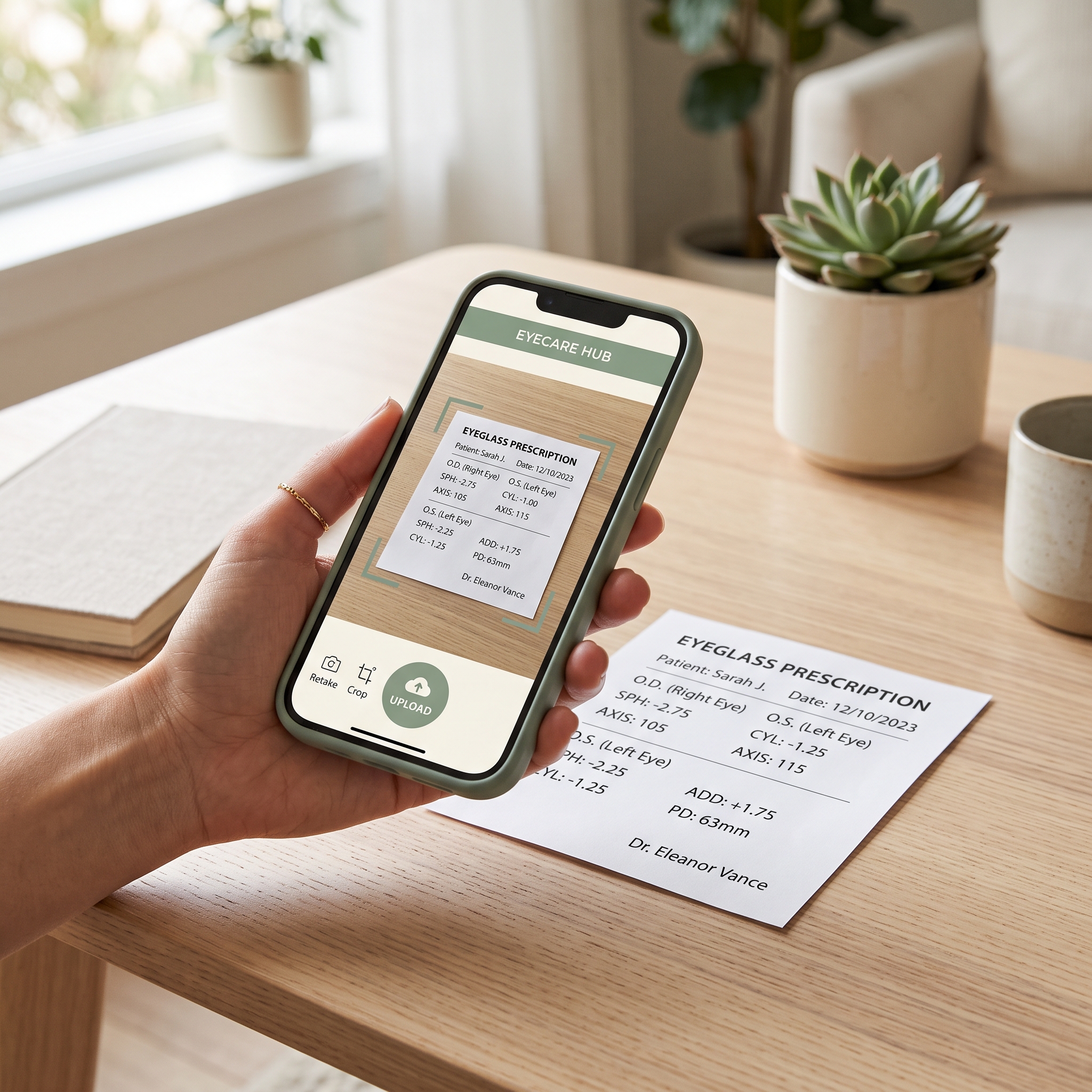
If your prescription is still valid and your vision has not changed, you can usually use it to order new prescription glasses. Regular eye exams after a year are recommended to keep your prescription up to date.

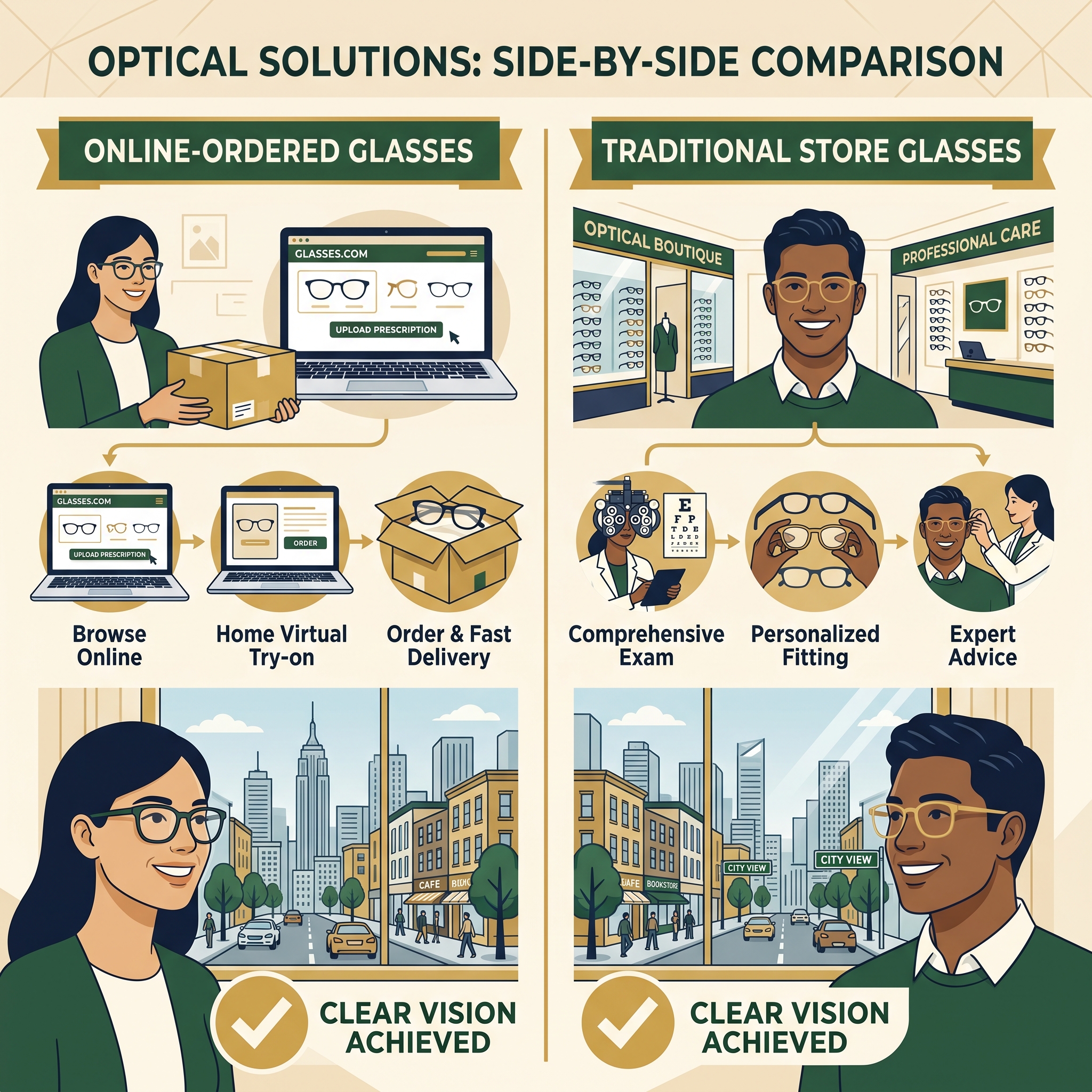
Yes. As long as you provide an accurate prescription and pupillary distance, professionally manufactured online prescription glasses offer the same vision correction as those purchased in traditional optical stores.
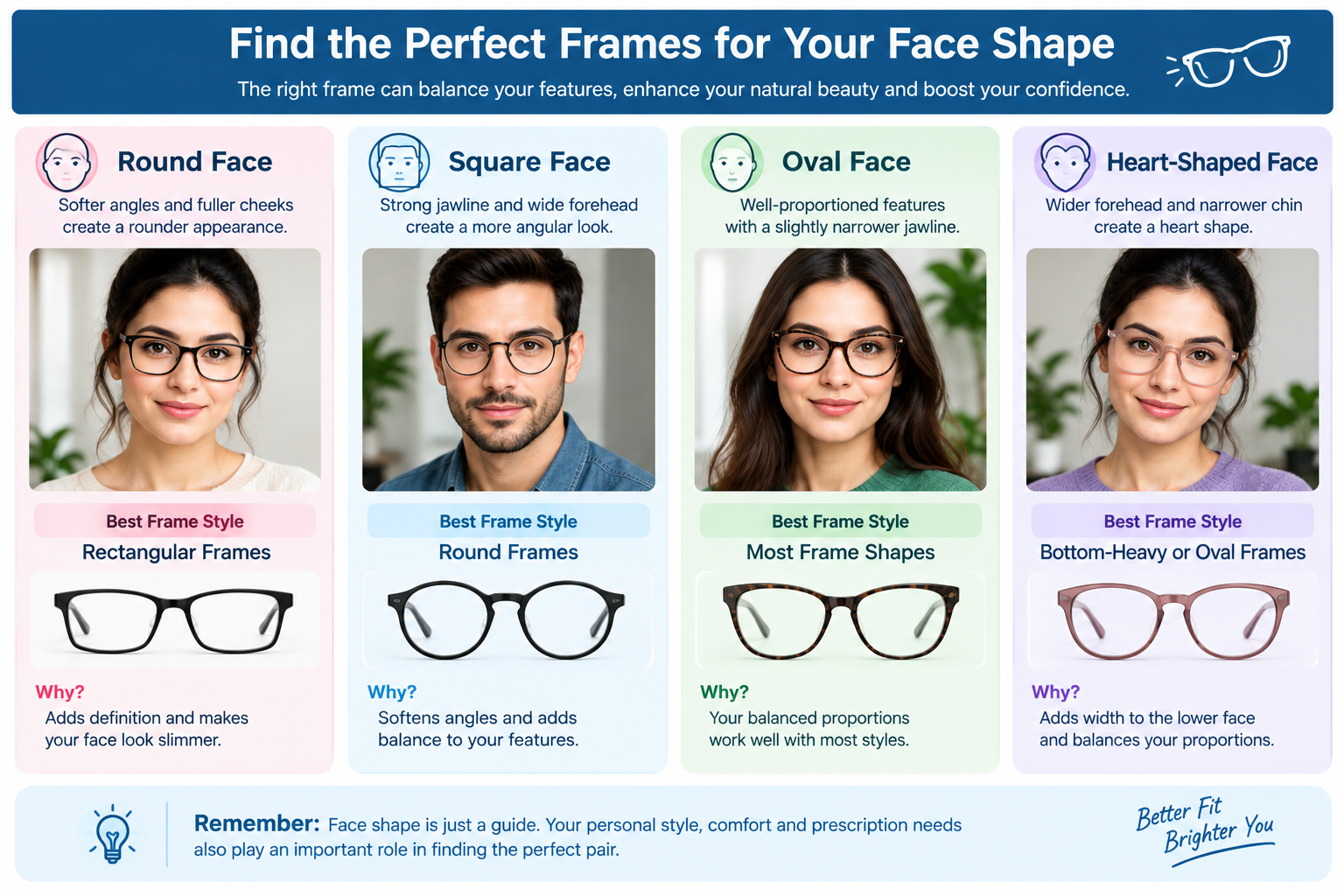
Consider your face shape, lifestyle, prescription strength, and personal style. Lightweight and durable frames are ideal for everyday wear, while fashion-forward styles let you express your personality.

Round faces often suit rectangular frames, square faces pair well with round styles, oval faces work with most frame shapes, and heart-shaped faces look great with bottom-heavy or oval frames.
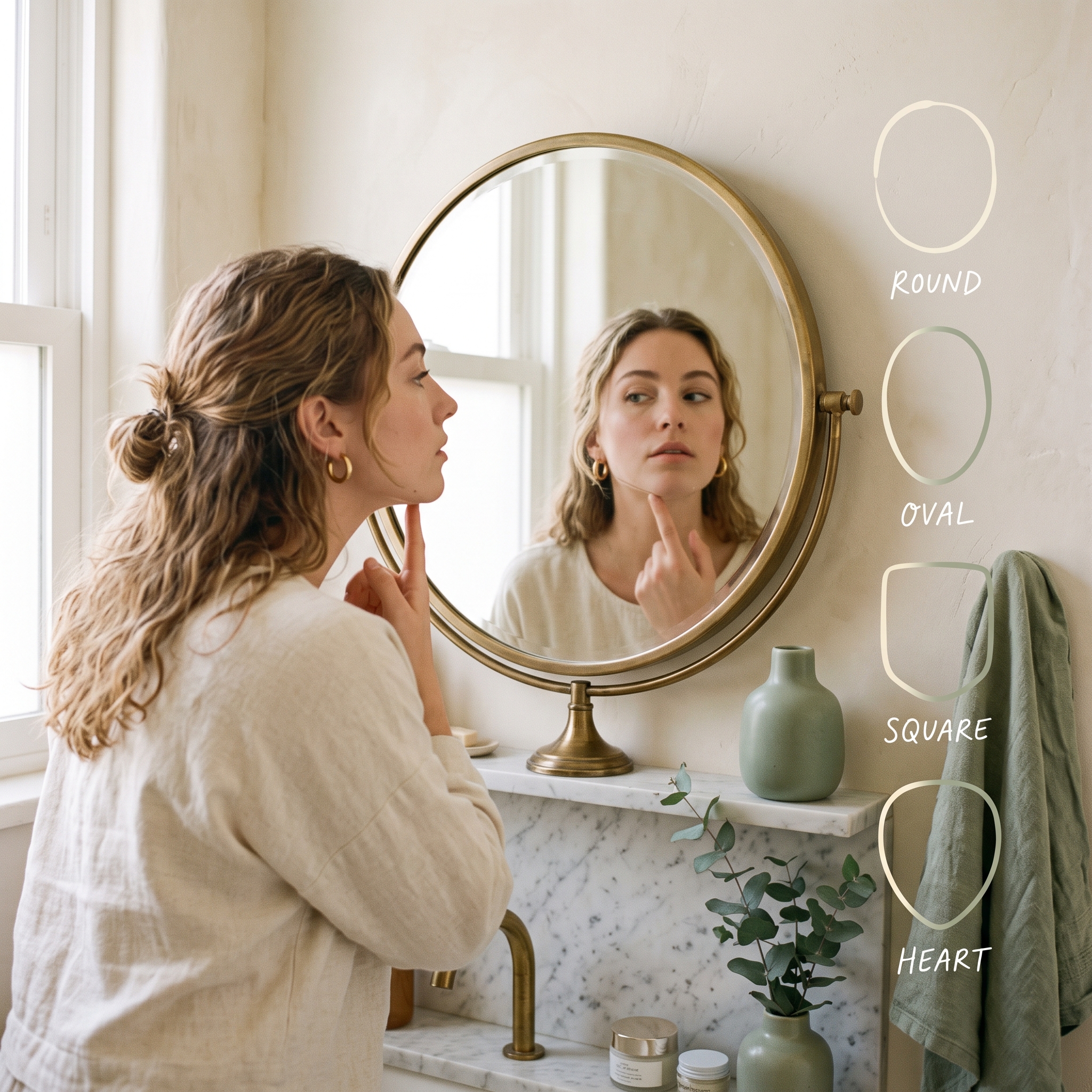
Stand in front of a mirror and trace the outline of your face or take a straight-on selfie. Compare your facial proportions to common face shapes such as round, oval, square, or heart-shaped to help choose frames that complement your features.
Rectangular, square, geometric, and angular frames help add definition and balance to round facial features.

Oval faces suit almost every frame style, including rectangular, square, aviator, round, and cat-eye glasses. The key is choosing frames that are proportional to your face.

Round, oval, and rimless frames help soften strong jawlines and create a balanced appearance for square-shaped faces.

Oval, round, rimless, and light-colored frames work well for heart-shaped faces by balancing a broader forehead with a narrower chin.

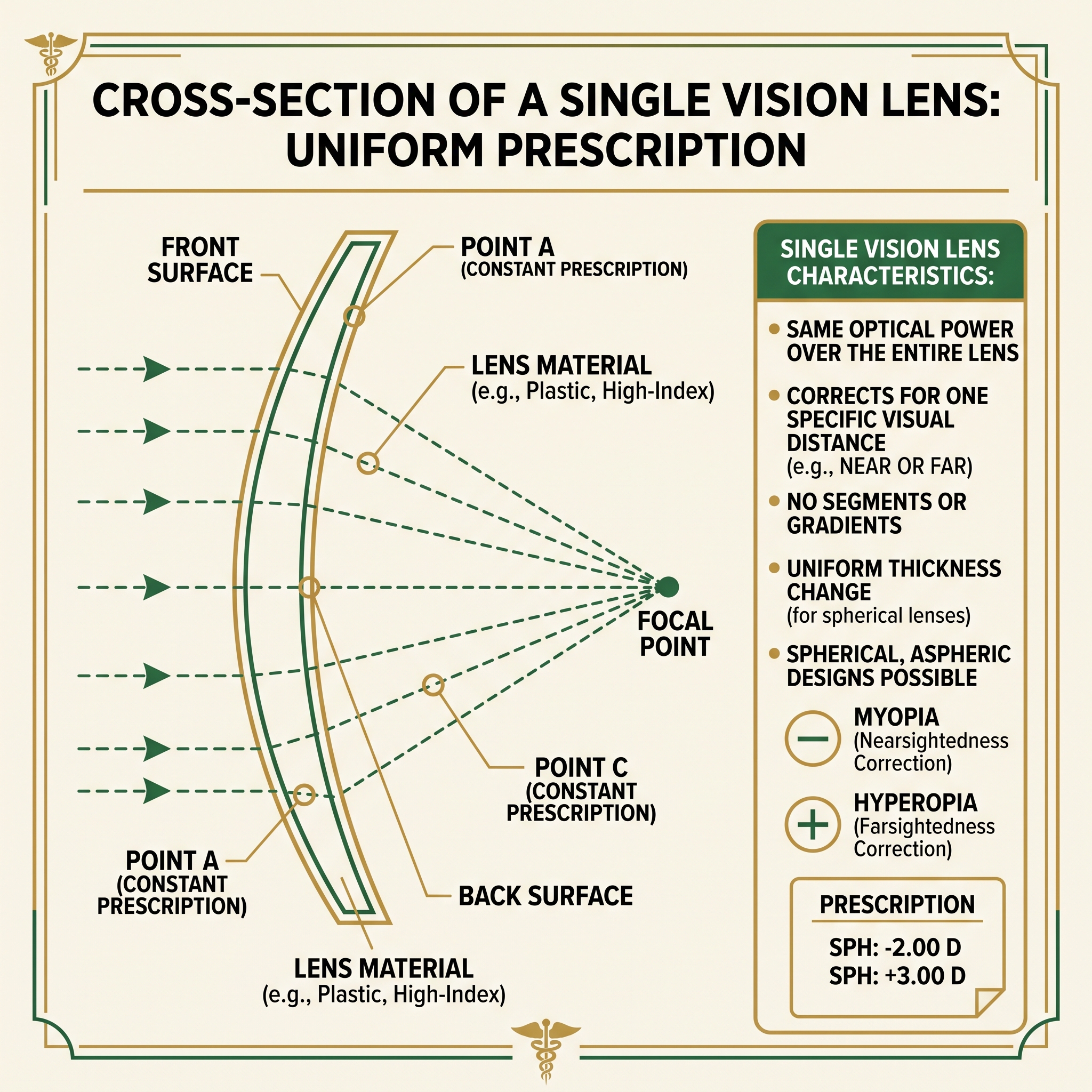
Single vision lenses have one prescription throughout the lens and are used to correct nearsightedness, farsightedness, or astigmatism.
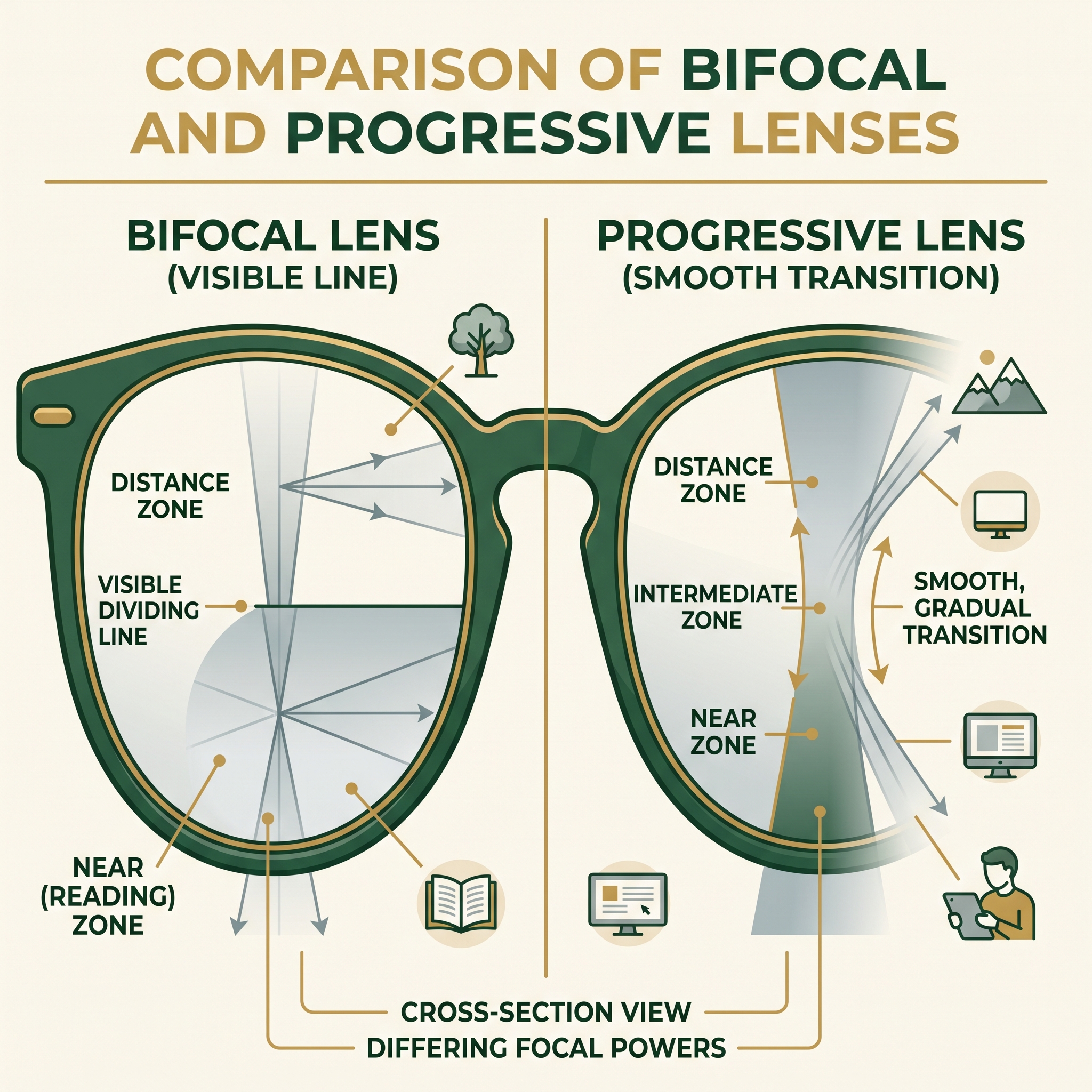
Bifocal lenses have two distinct viewing areas for distance and near vision. Progressive lenses provide a smooth transition between distance, intermediate, and near vision without visible lines.
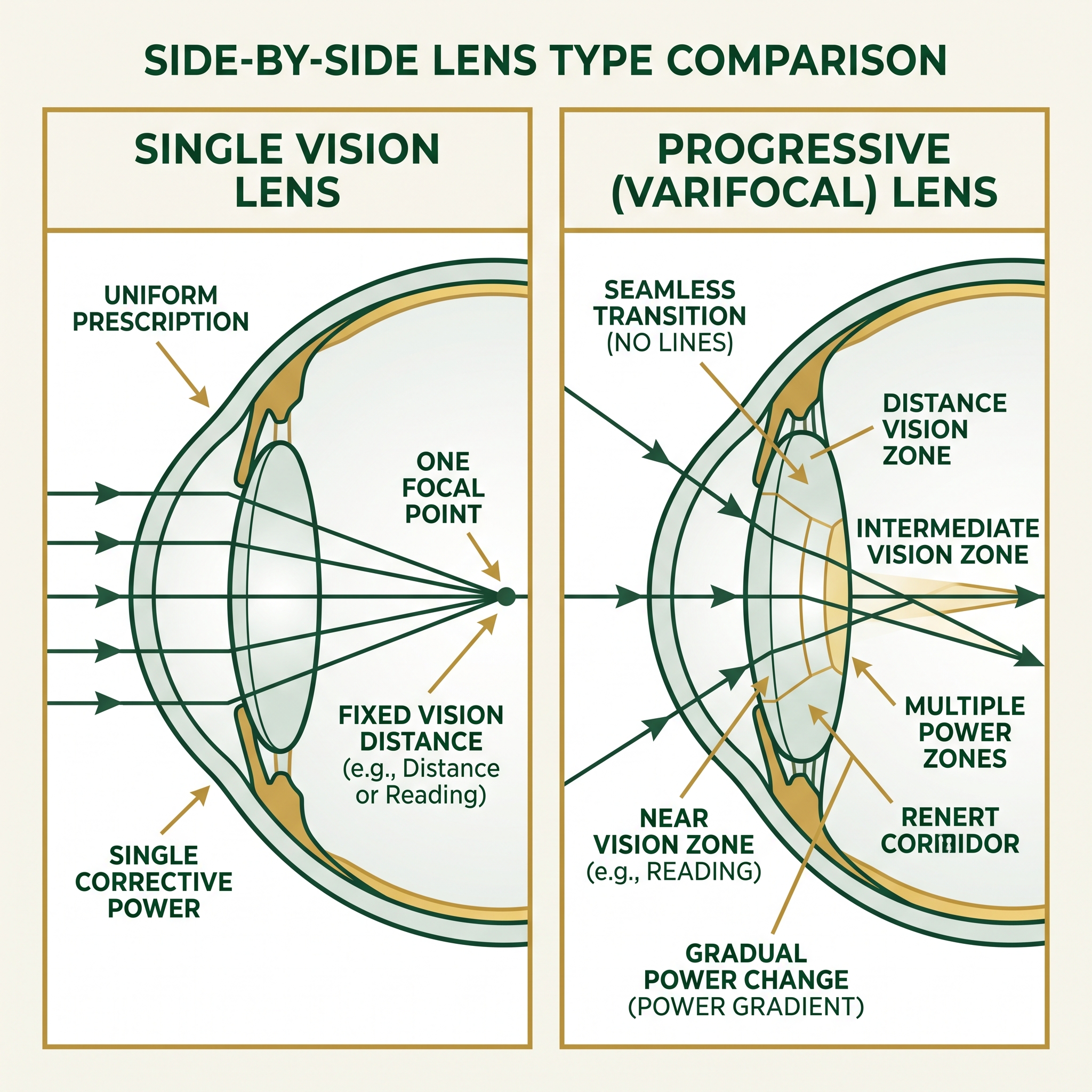
Single vision lenses have one prescription throughout the entire lens and are designed for either distance or near vision. Progressive lenses combine multiple prescriptions into one lens, allowing you to see clearly at all distances without the visible lines found in bifocal lenses.
High-index lenses are thinner and lighter than standard lenses, making them an excellent choice for stronger prescriptions while improving comfort and appearance.
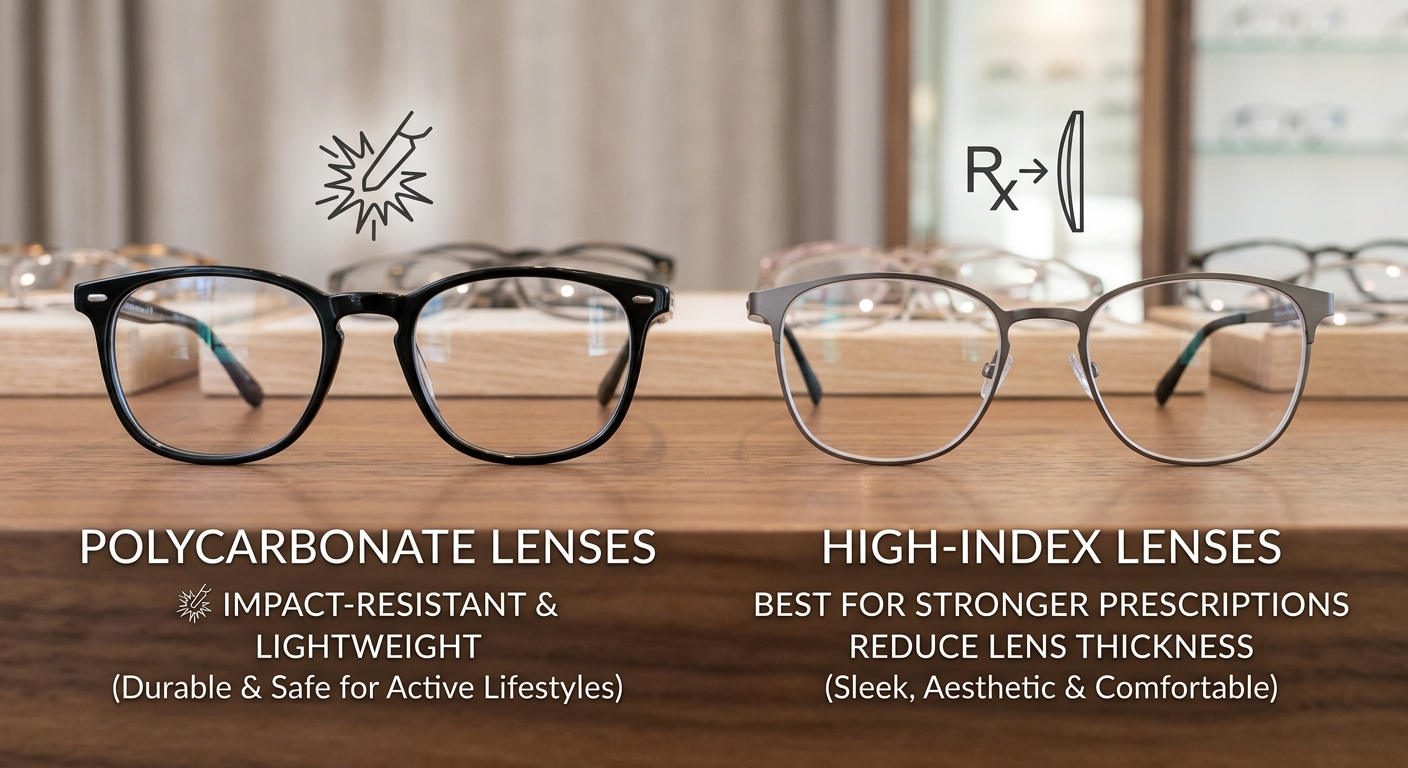
Polycarbonate lenses are impact-resistant and lightweight. High-index lenses are best for stronger prescriptions because they reduce lens thickness.
Blue light glasses help reduce exposure to blue light from digital devices and may improve visual comfort during extended screen time.
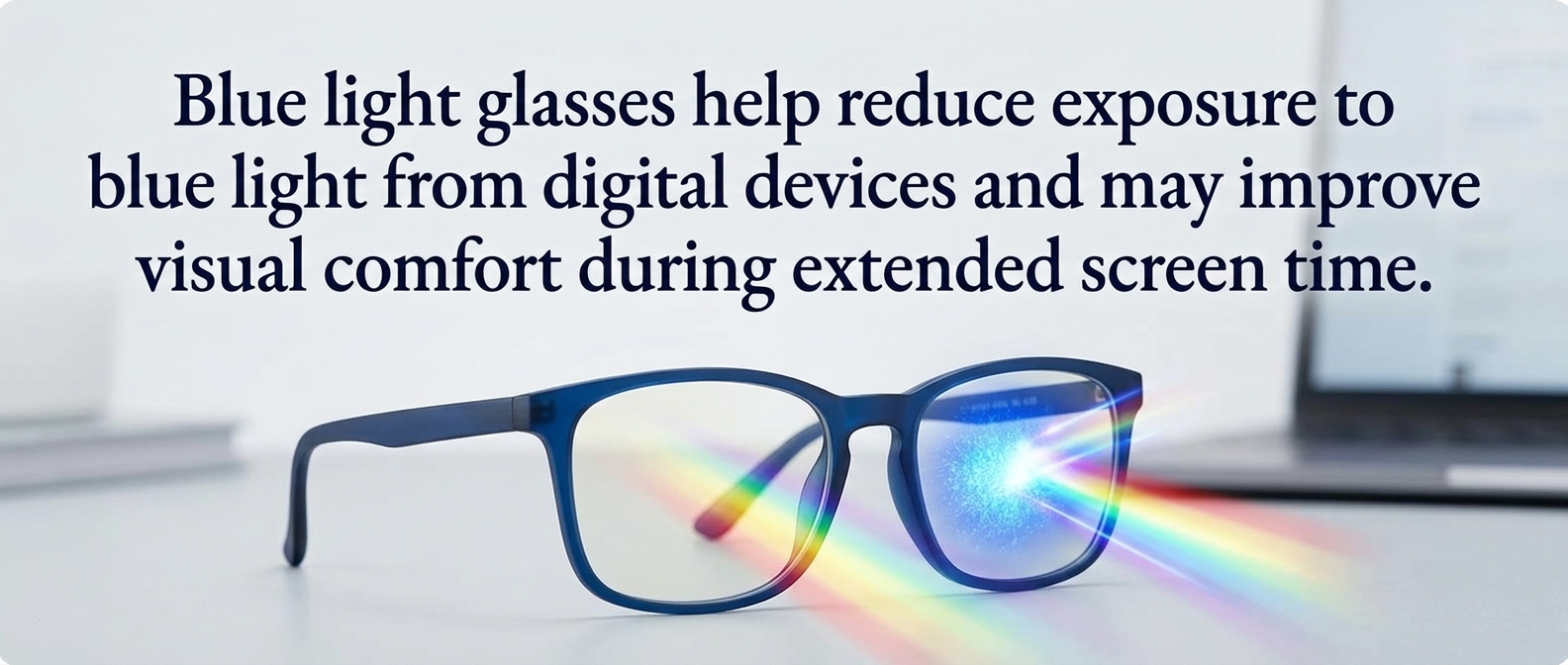
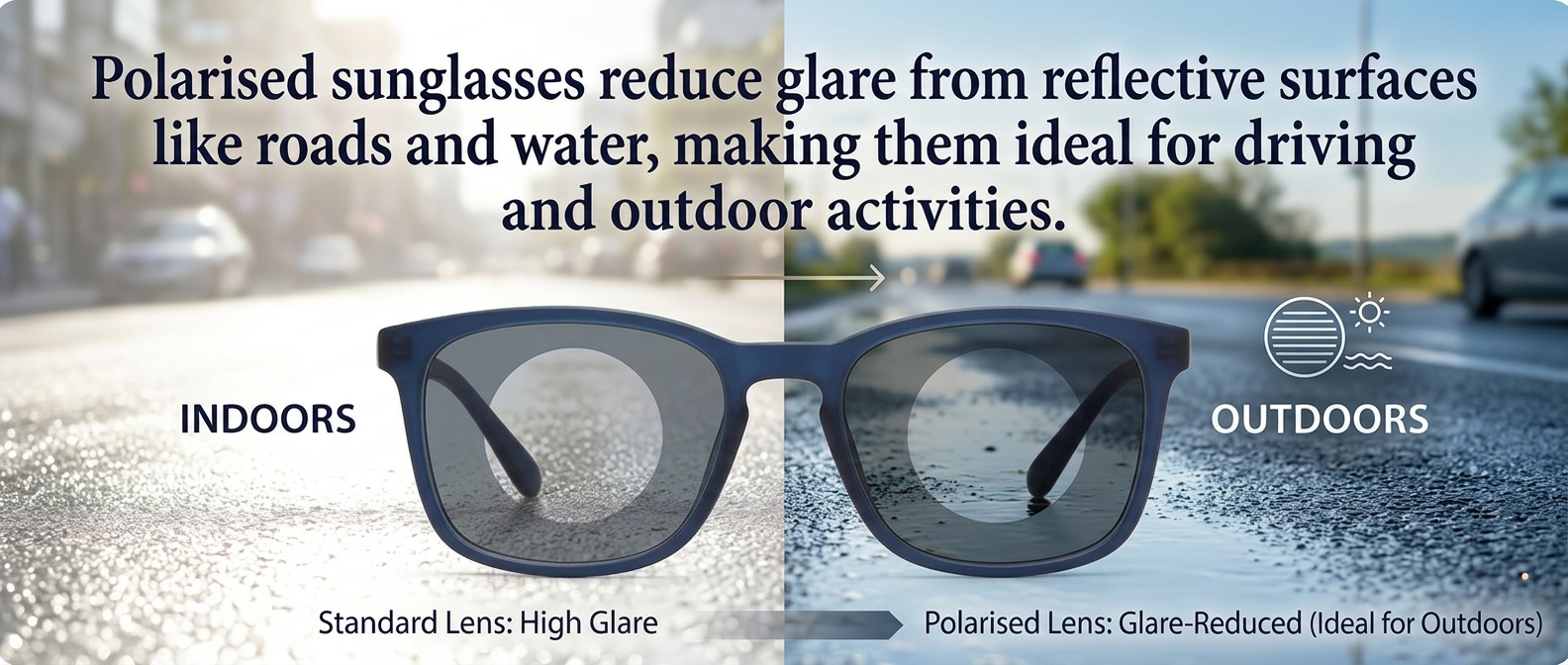
Blue light lenses can reduce glare and improve comfort for many people who spend long hours using computers, tablets, or smartphones.
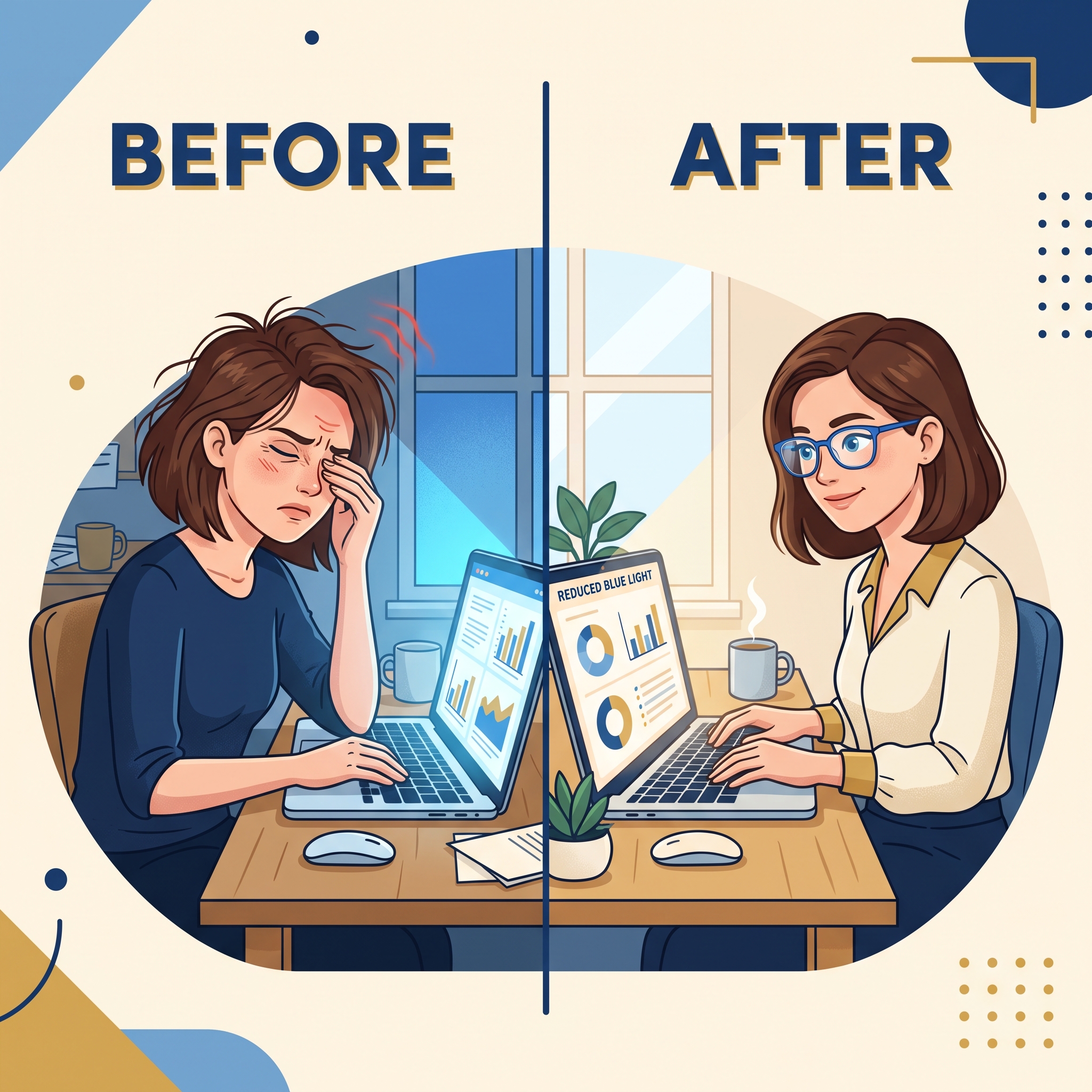
Photochromic lenses automatically darken in sunlight and return to clear indoors, offering convenient vision correction and UV protection in one pair of glasses.
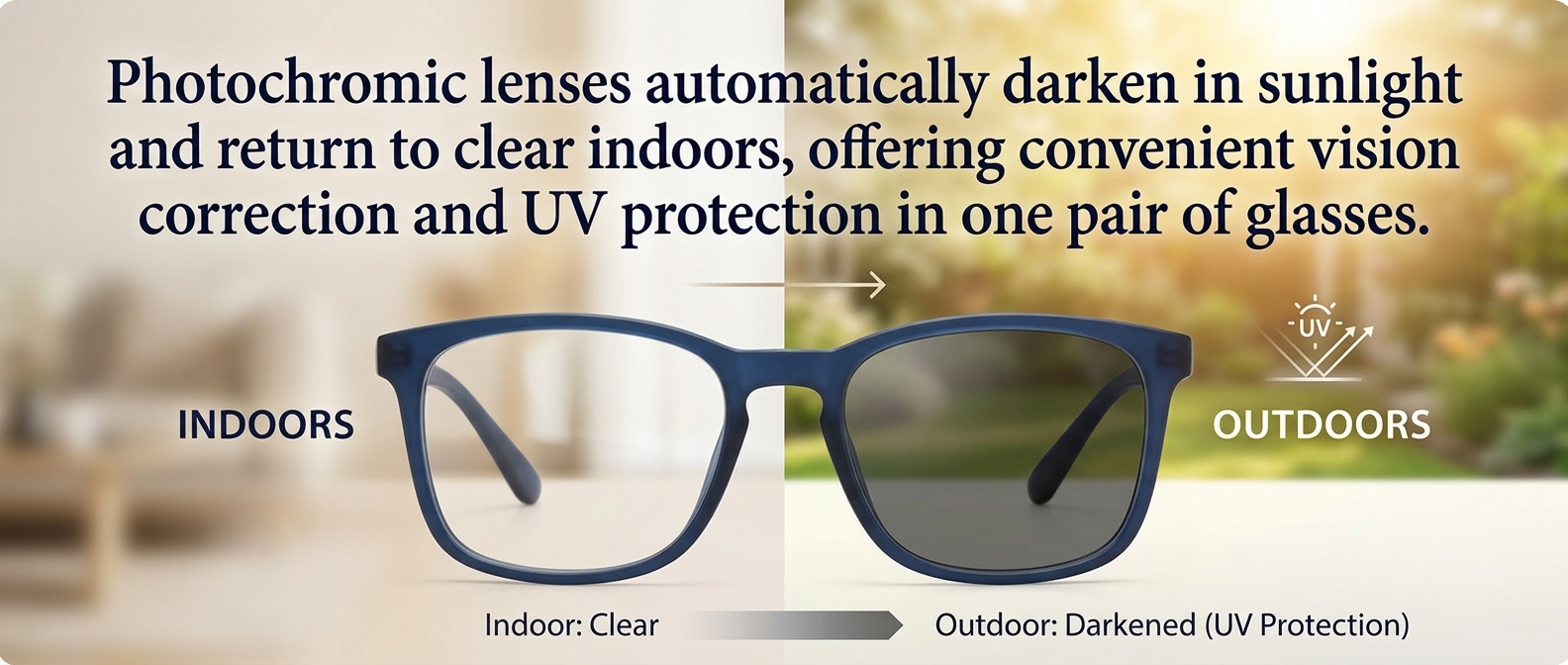
Polarized sunglasses reduce glare from reflective surfaces like roads and water, making them ideal for driving and outdoor activities.
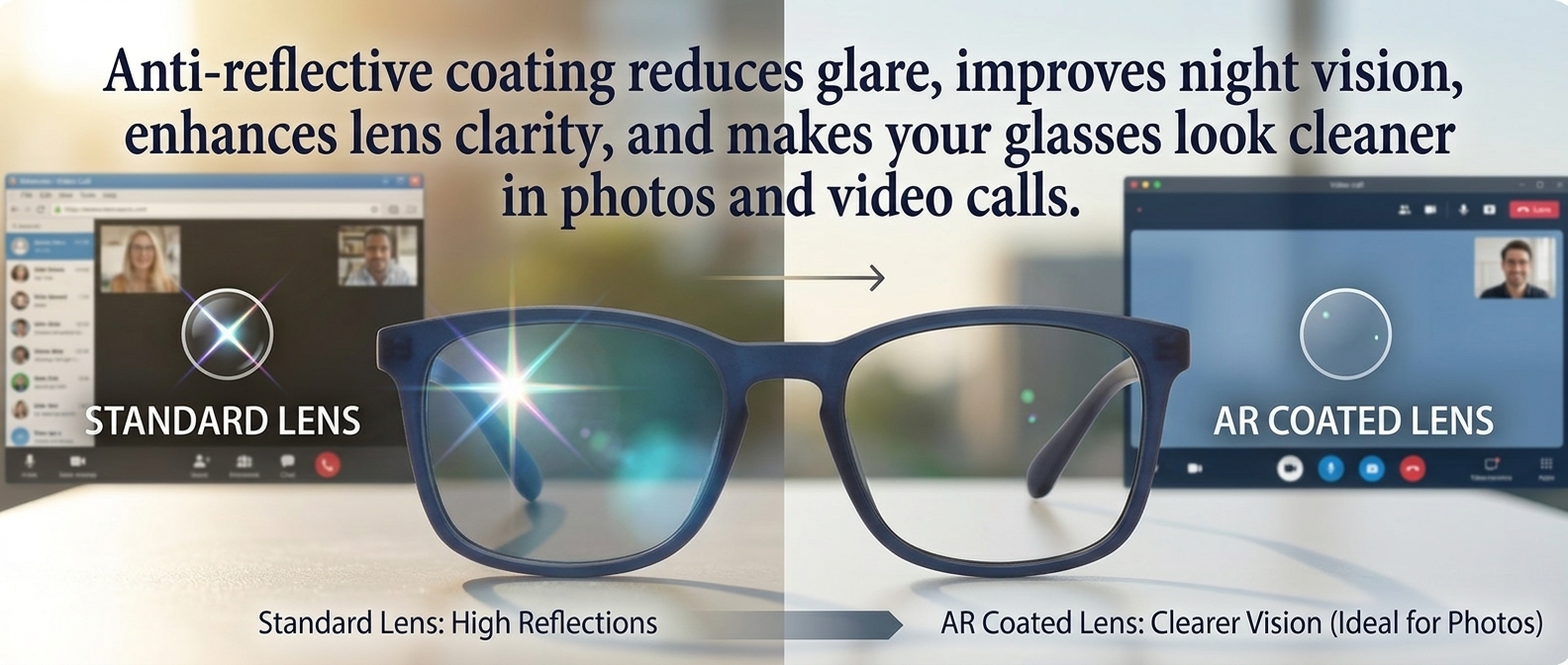
Anti-reflective coating reduces glare, improves night vision, enhances lens clarity, and makes your glasses look cleaner in photos and video calls.
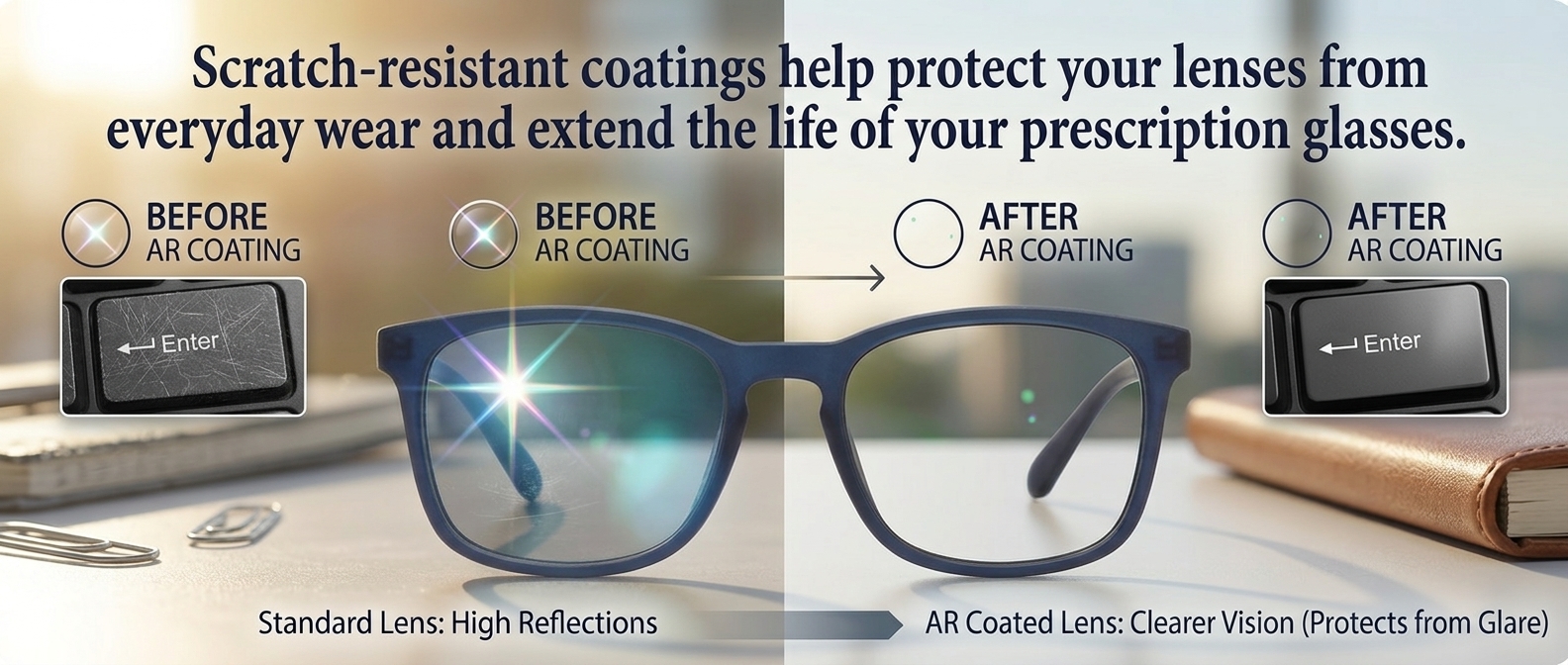
Scratch-resistant coatings help protect your lenses from everyday wear and extend the life of your prescription glasses.
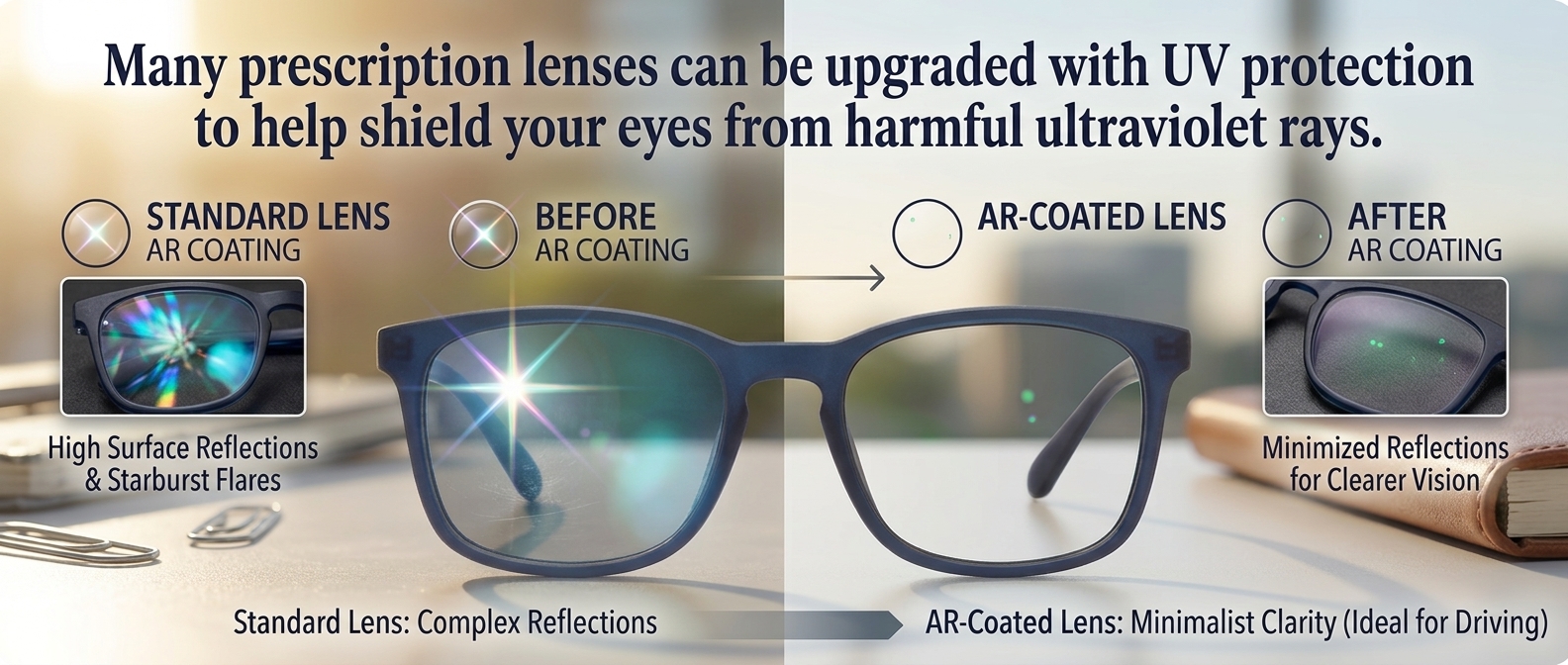
Many prescription lenses can be upgraded with UV protection to help shield your eyes from harmful ultraviolet rays.
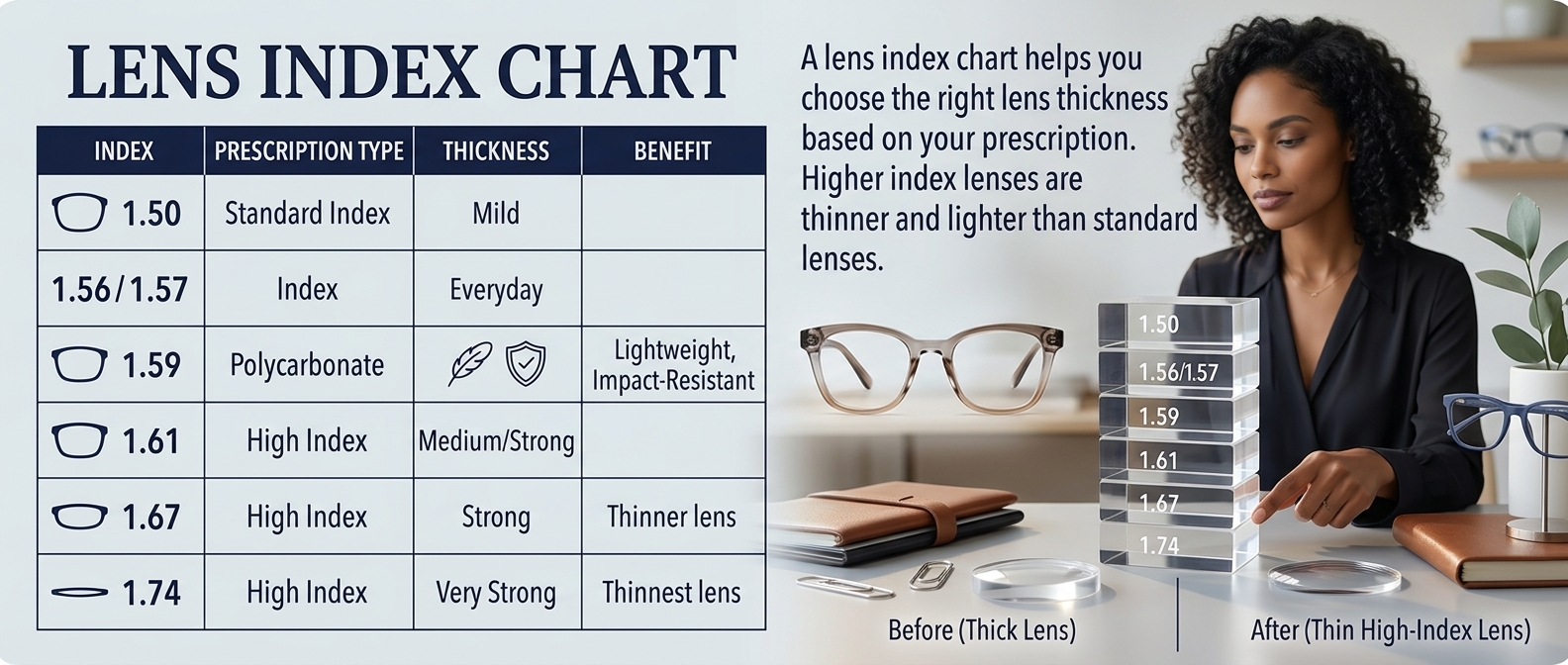
A lens index chart helps you choose the right lens thickness based on your prescription.
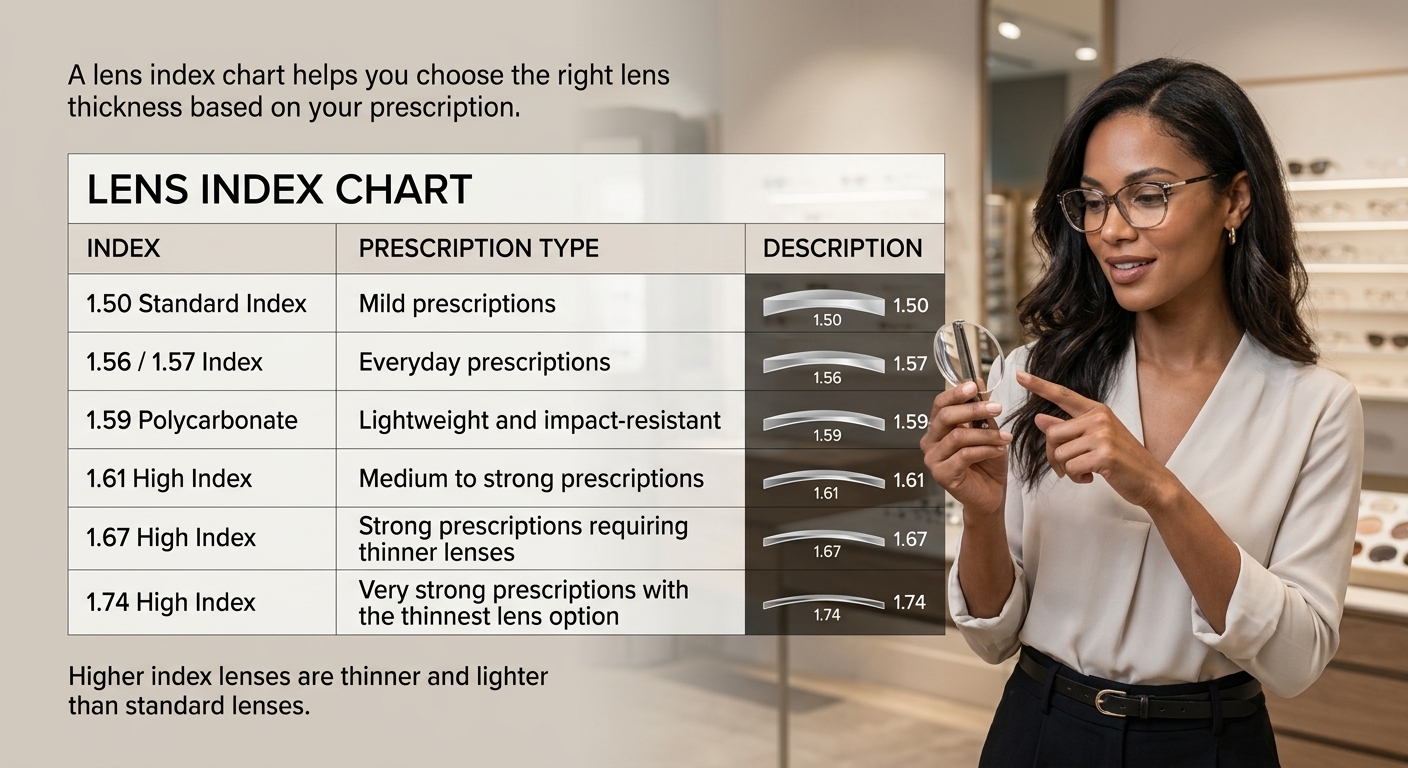
- 1.50 Standard Index: Mild prescriptions
- 1.56 / 1.57 Index: Everyday prescriptions
- 1.59 Polycarbonate: Lightweight and impact-resistant
- 1.61 High Index: Medium to strong prescriptions
- 1.67 High Index: Strong prescriptions requiring thinner lenses
- 1.74 High Index: Very strong prescriptions with the thinnest lens option
Higher index lenses are thinner and lighter than standard lenses.
The right prescription lenses depend on your vision needs, lifestyle, and prescription strength. Single vision lenses are ideal for one viewing distance, while progressive lenses provide seamless vision for near, intermediate, and distance viewing. You can also choose lens materials, coatings, and blue light protection based on your daily activities.
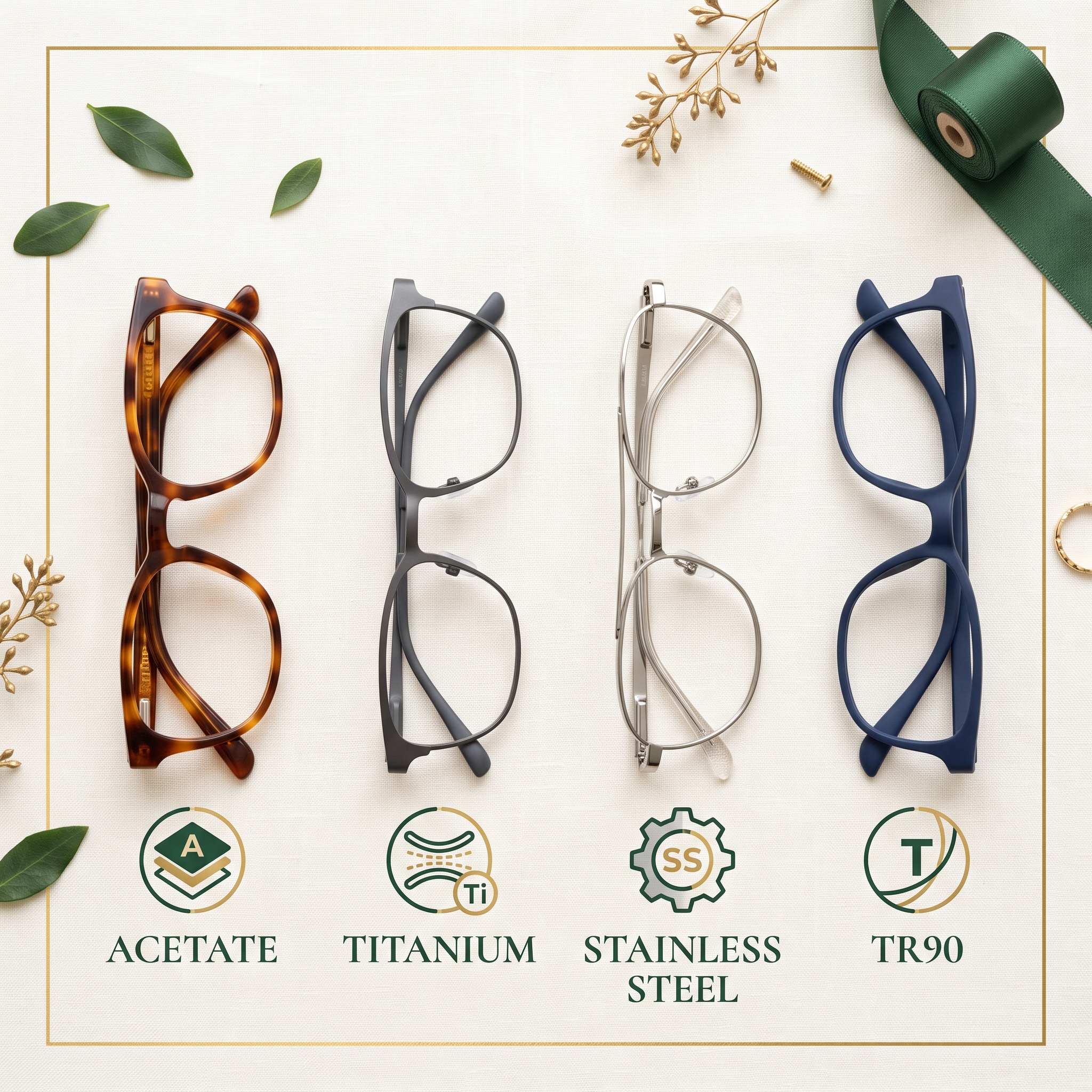
Eyeglass frames are commonly made from acetate, stainless steel, titanium, TR90, and other lightweight materials. Each offers different benefits in terms of comfort, flexibility, and durability.
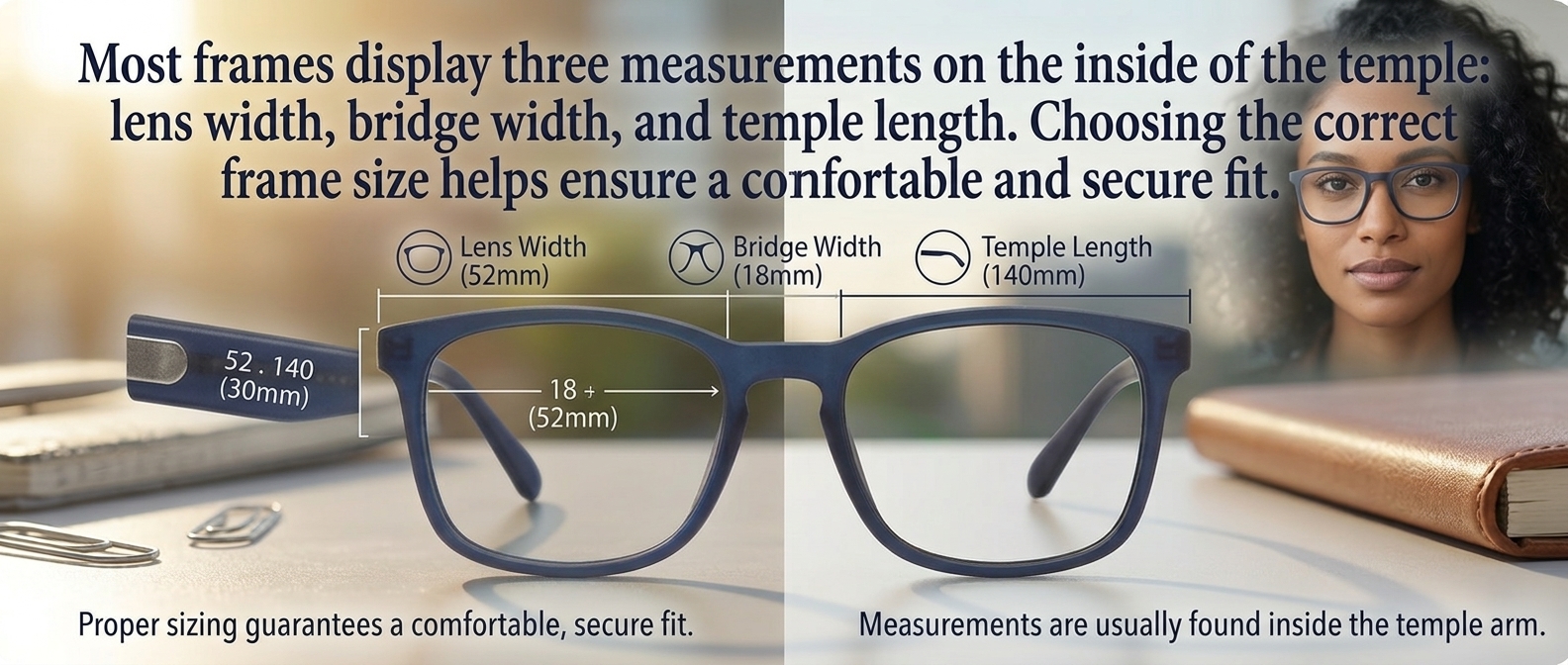
Most frames display three measurements on the inside of the temple: lens width, bridge width, and temple length. Choosing the correct frame size helps ensure a comfortable and secure fit.
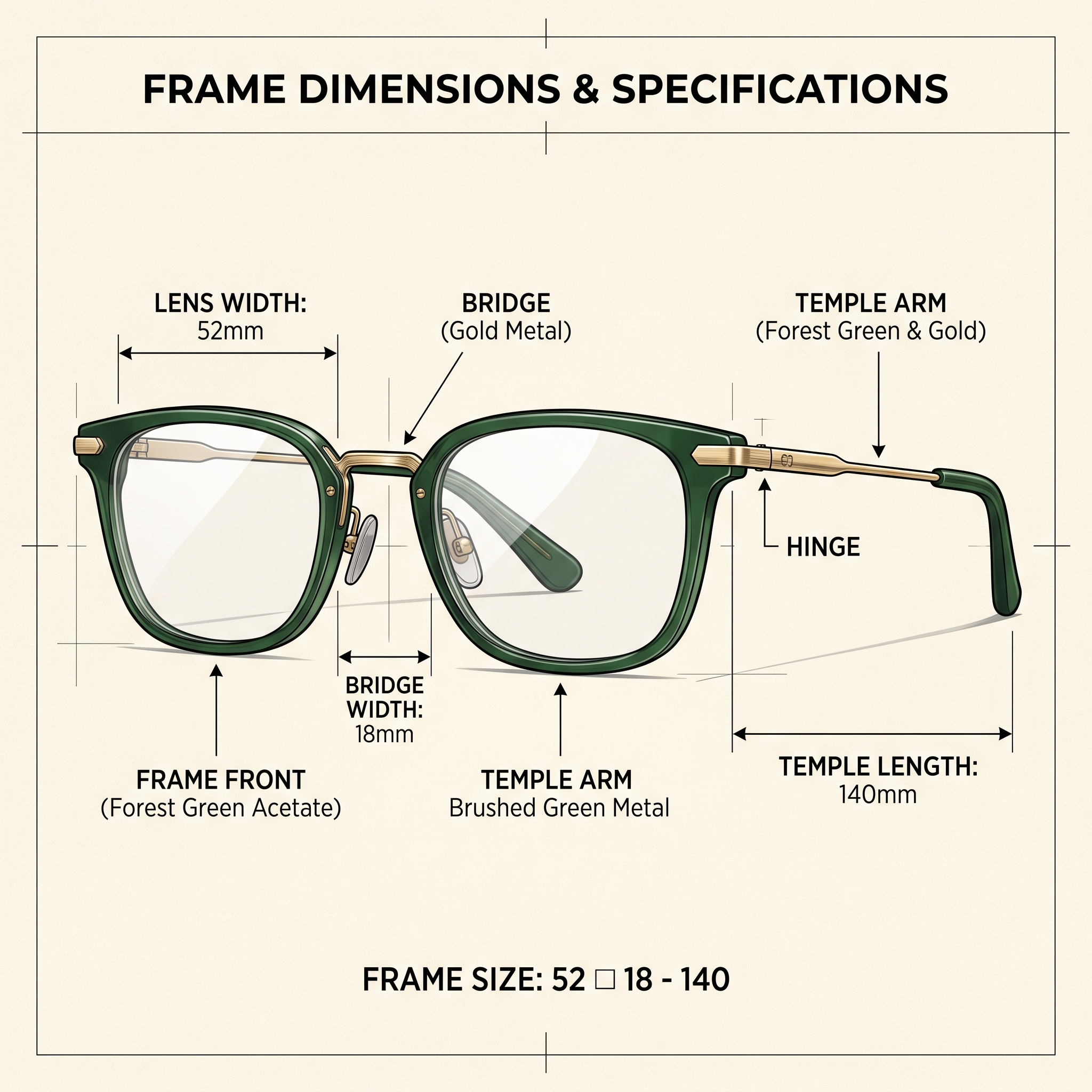
Frame measurements are typically shown as three numbers, for example 52-18-140.
- 52 mm: Lens width
- 18 mm: Bridge width
- 140 mm: Temple length
These measurements help you find glasses that fit comfortably and securely.
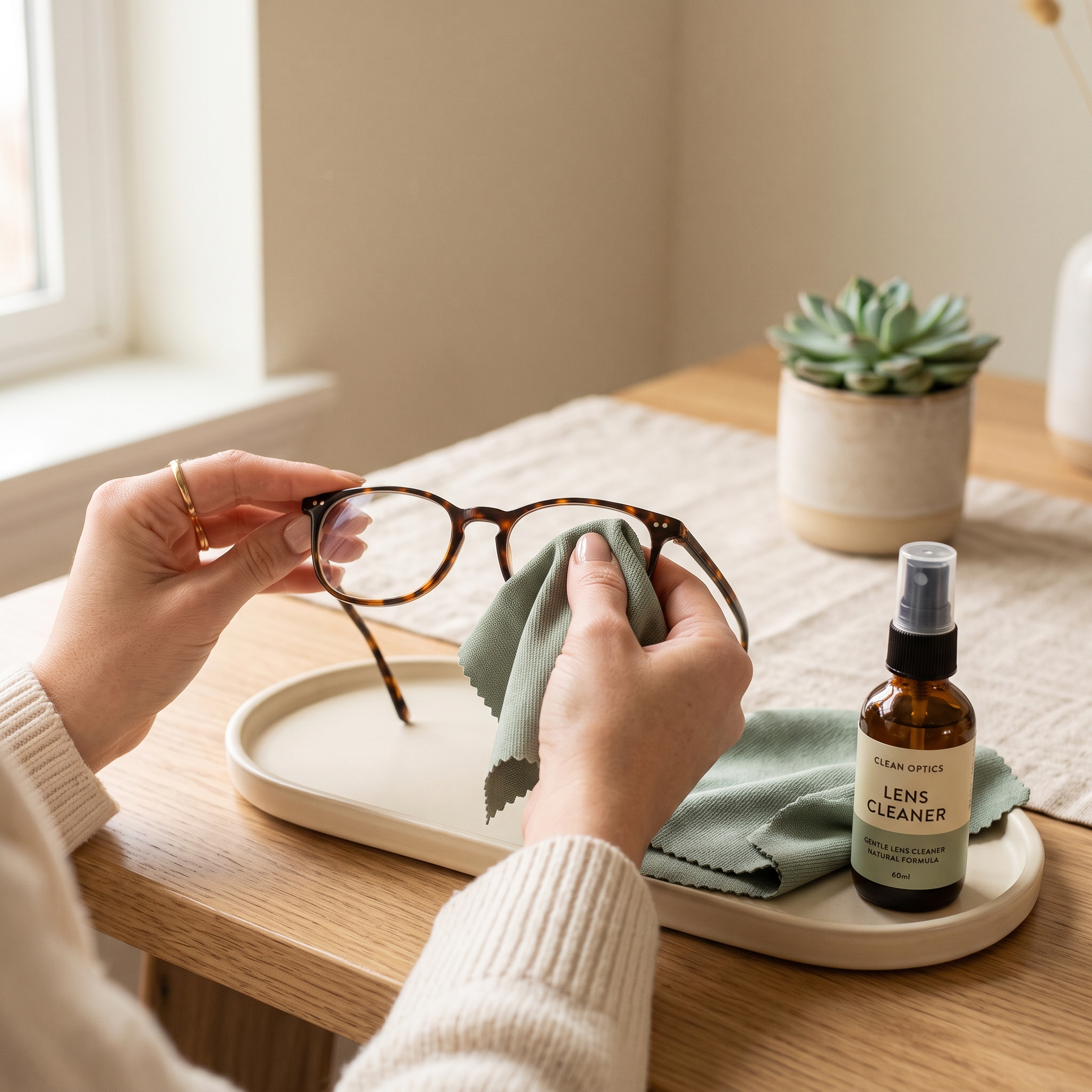
Use a microfiber cloth and lens cleaning solution. Avoid paper towels, tissues, or household cleaners, which may damage the lens coating.
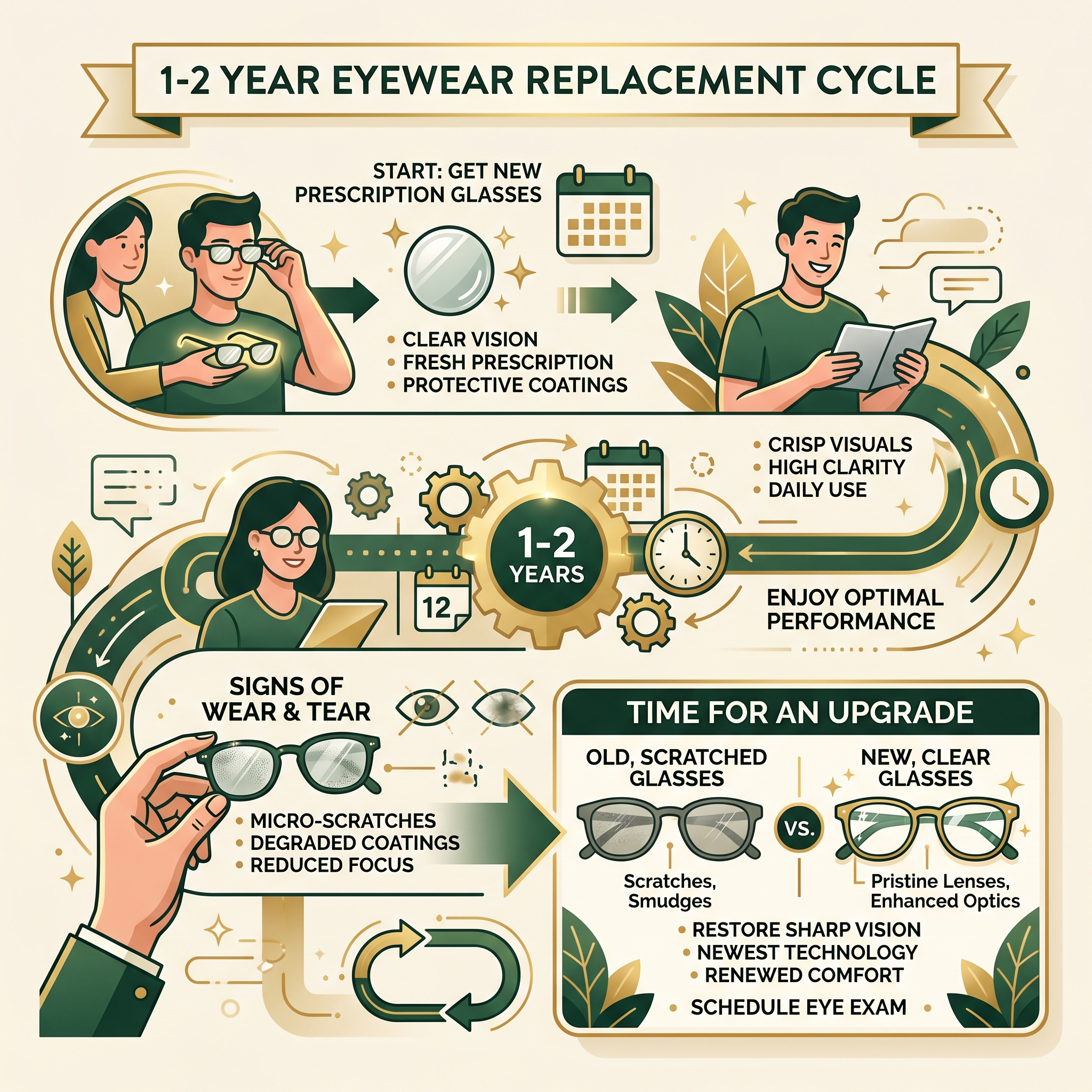
We strongly recommend our customers get their eye sight checked every year if they have Cataracts, Glaucoma, Macular Degeneration, and Diabetic Retinopathy and are aged above 45. Replace your prescription glasses every one to two years or whenever their prescription changes, lenses become scratched, or frames wear out.
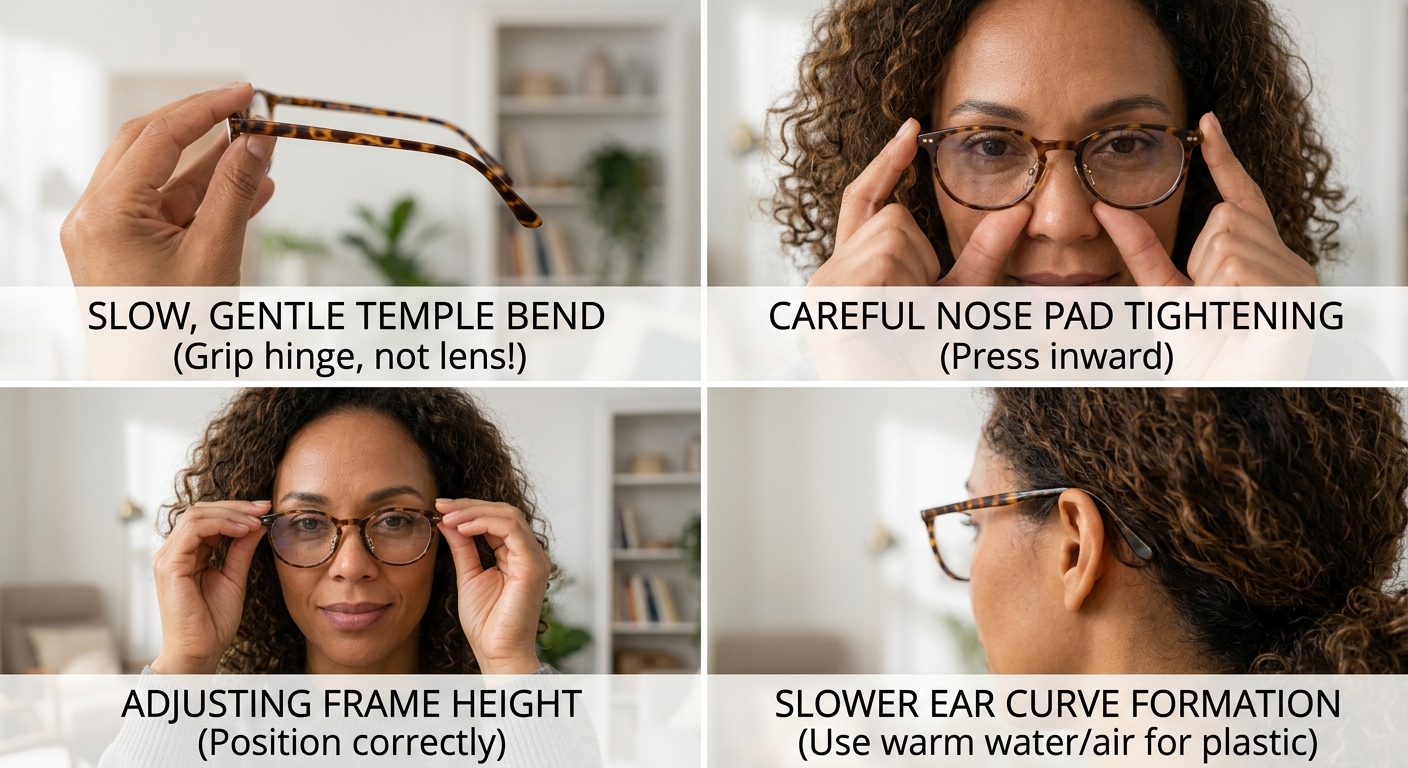
You can make small adjustments by gently bending the temples or adjusting the nose pads if your glasses have them. Always make slow, gentle adjustments to avoid damaging the frame. If your glasses still don't fit properly, visit an optical professional for a precise adjustment.
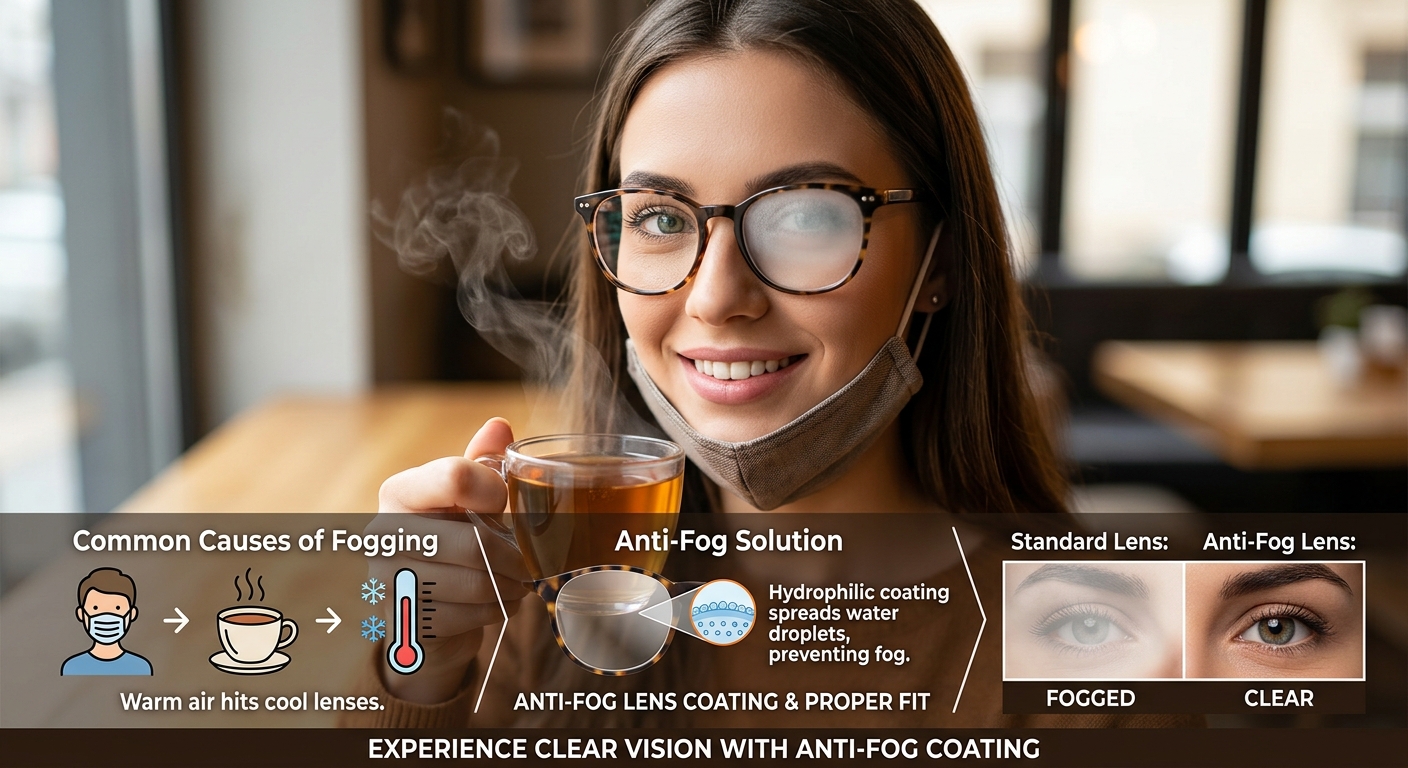
Glasses usually fog because warm air comes into contact with cooler lenses. This commonly happens while wearing a face mask, drinking hot beverages, or moving between different temperatures. Anti-fog lens coatings and proper frame fitting can help reduce fogging.
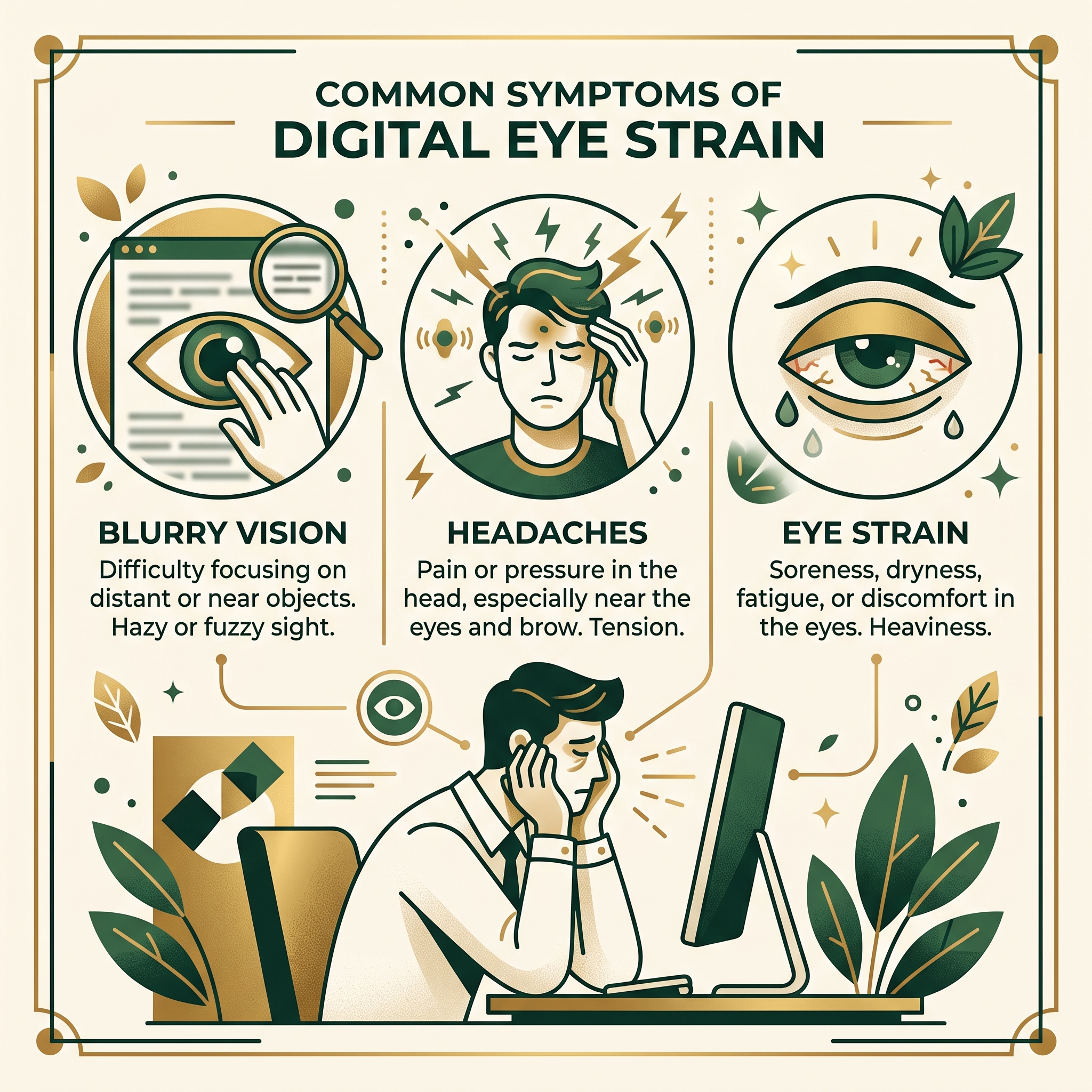
You may need new glasses if you experience blurry vision, frequent headaches, eye strain, difficulty reading, trouble seeing at night, or if your current glasses are damaged or scratched. Regular eye exams help ensure your prescription stays up to date.
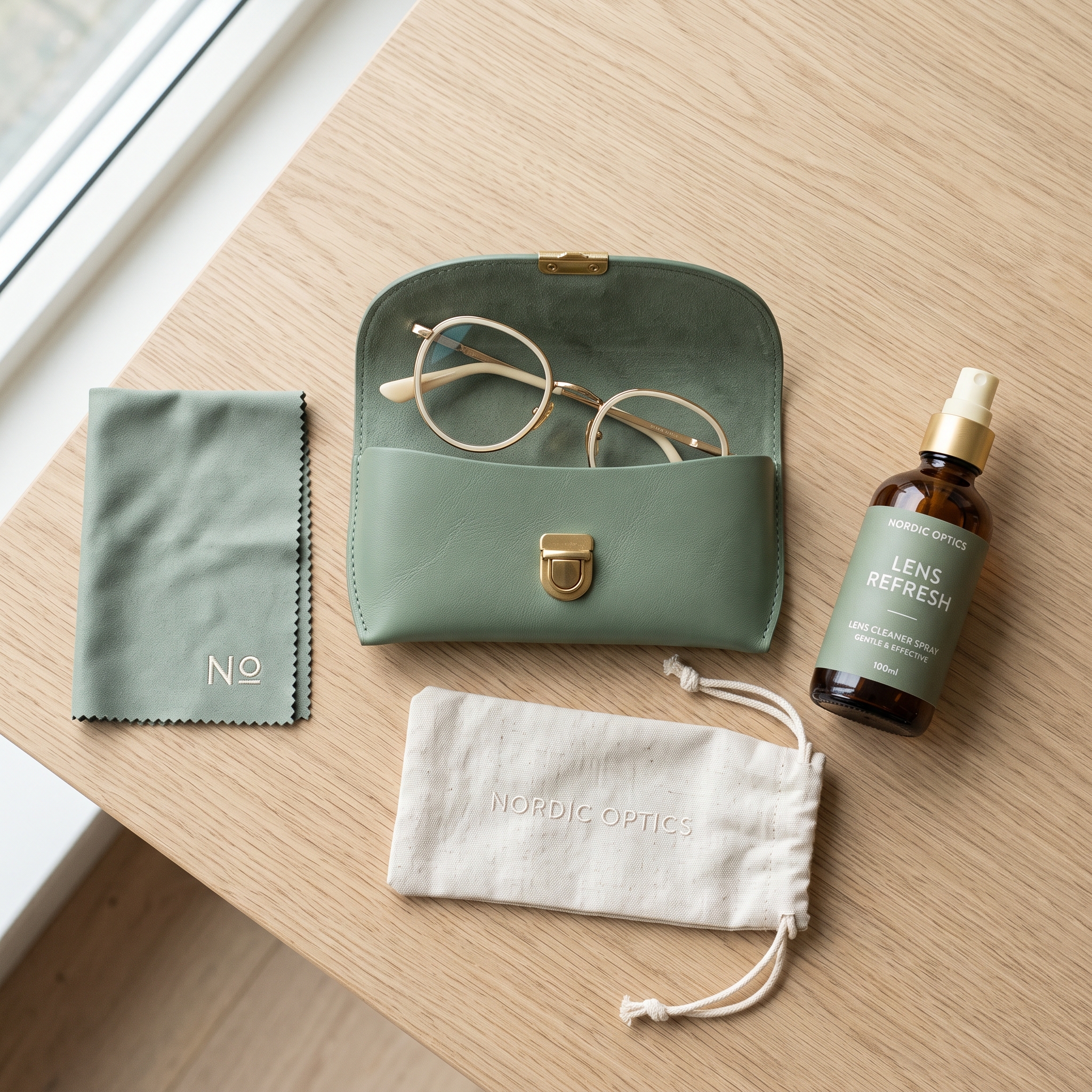
Clean your lenses with a microfiber cloth and a lens-safe cleaning solution. Store your glasses in a protective case when not in use, avoid placing them lens-side down, and keep them away from excessive heat to maintain their quality and extend their lifespan.
Choose lightweight, durable frames made from flexible materials for your kid. Make sure the glasses fit comfortably without slipping and consider impact-resistant polycarbonate lenses for added safety during everyday activities.

Computer glasses often include blue light filtering lenses and anti-reflective coatings to help reduce digital eye strain and screen glare. They are ideal for people who spend several hours each day using computers or other digital devices.

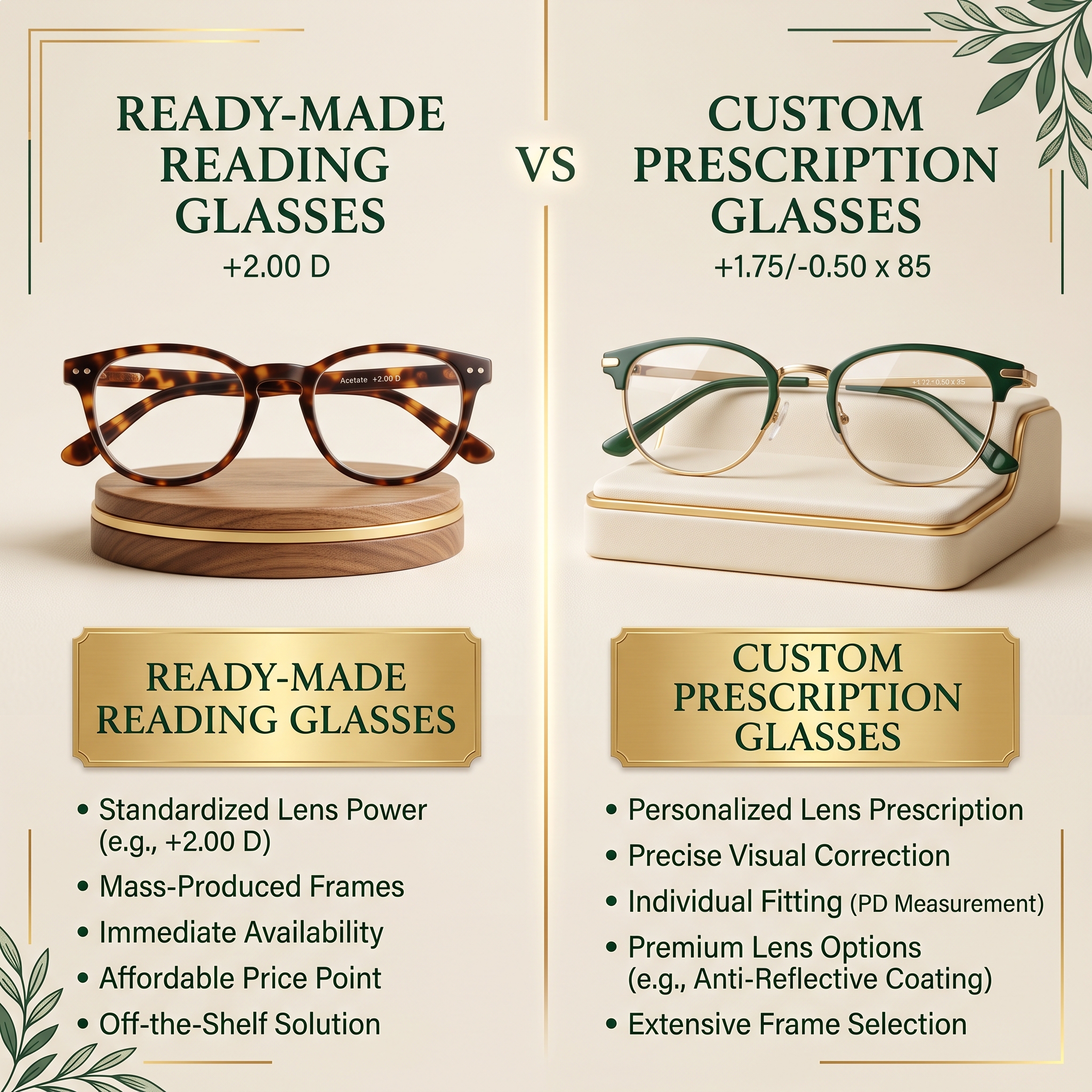
Reading glasses are designed to help with close-up tasks such as reading and are available in both ready-made and prescription versions. Prescription glasses are custom-made to correct your specific vision needs, including nearsightedness, farsightedness, and astigmatism.
Yes. Simply choose a compatible frame, upload your prescription, and select prescription sunglasses lenses with your preferred tint, polarization, or UV protection.
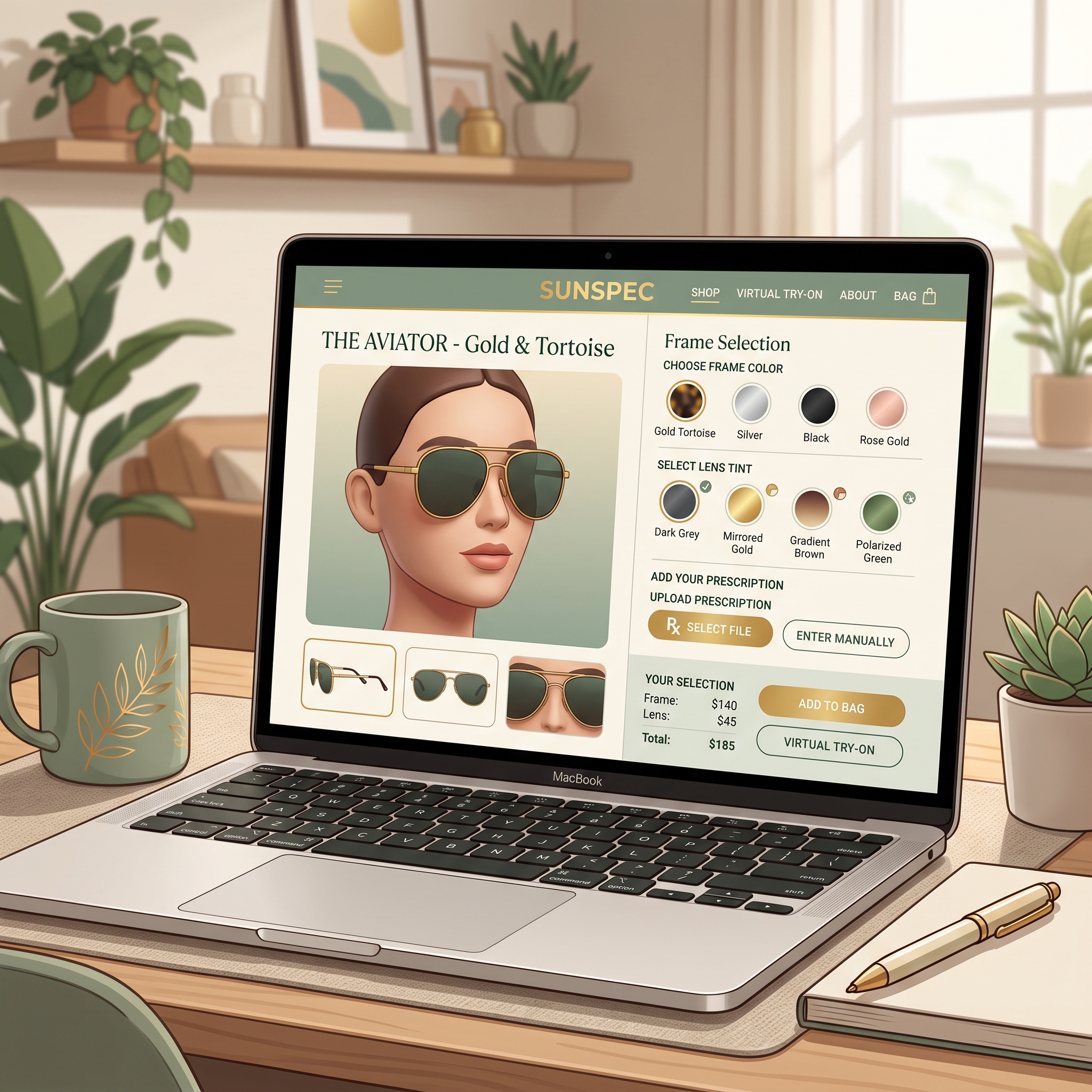
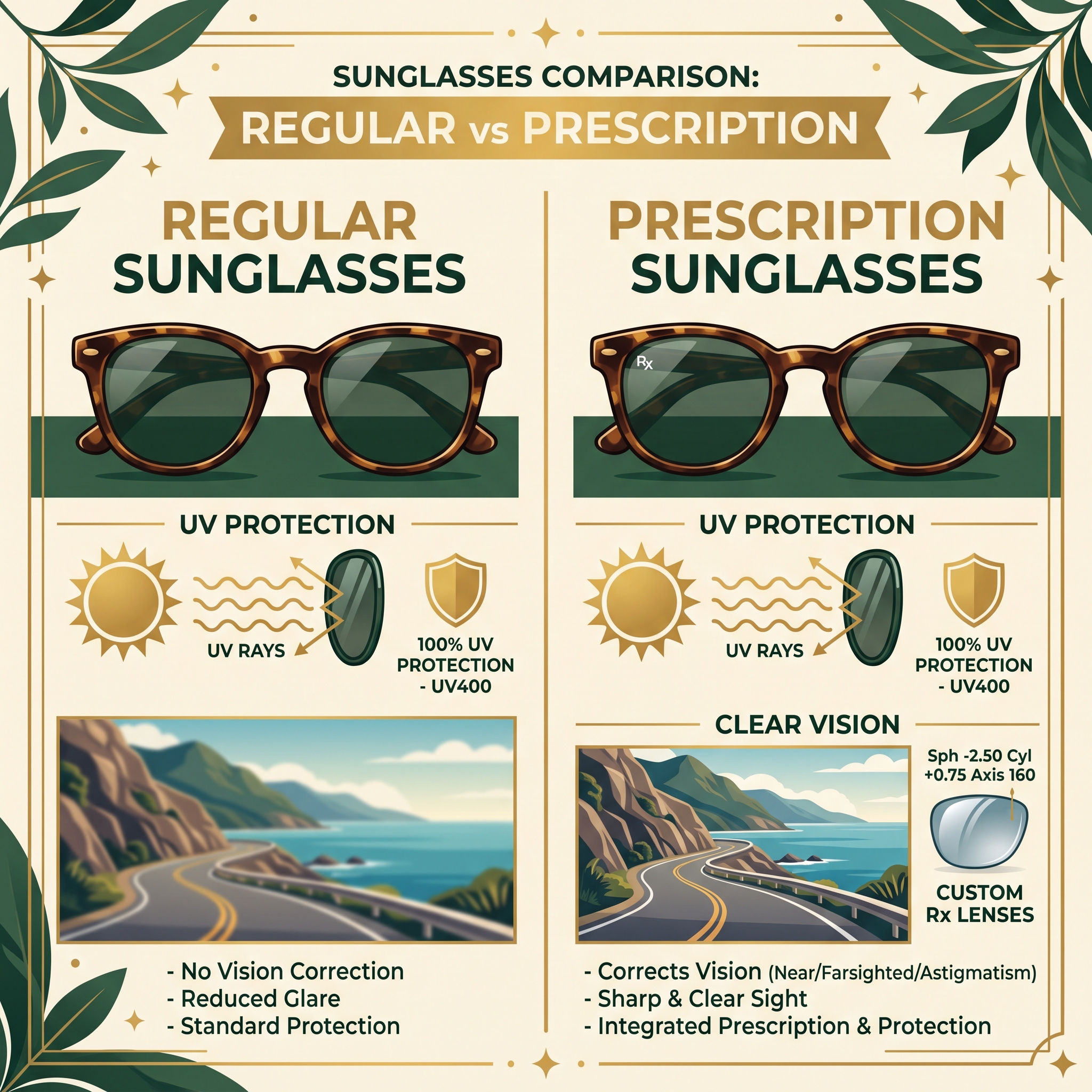
Regular sunglasses protect your eyes from sunlight but do not correct your vision. Prescription sunglasses combine UV protection with prescription lenses, allowing you to see clearly while protecting your eyes outdoors.
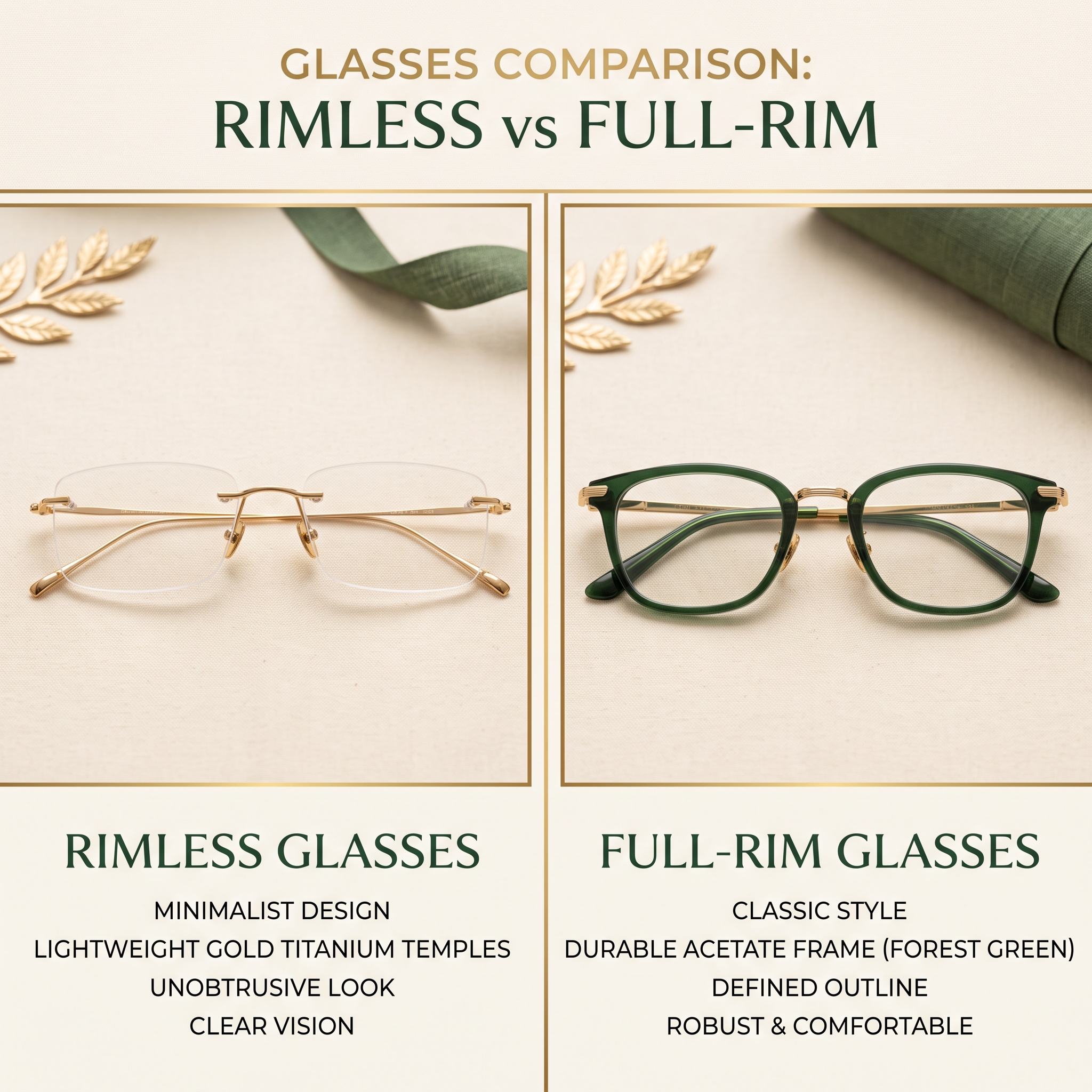
Rimless glasses have no frame surrounding the lenses, making them lightweight and minimalist. Full-rim glasses completely surround the lenses, providing greater durability and a wider variety of styles for everyday wear.
No, eyeglasses require a separate eyeglasses prescription.
Our production facilities are located in Thailand and Pakistan.

Yes, we ship internationally. Delivery options vary by country.

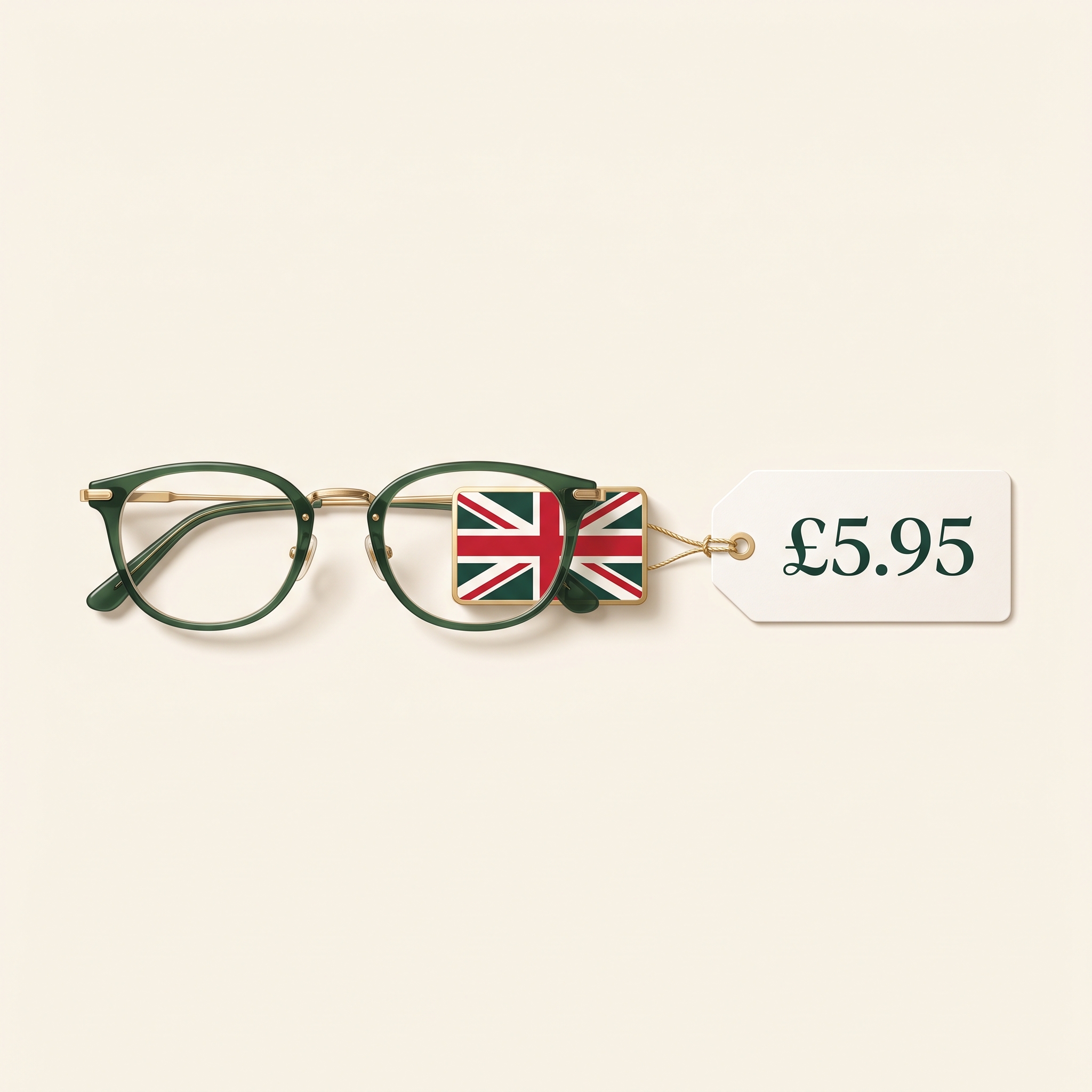
UK: £5.95 per pair
Typically 2–3 weeks for US/UK and Canada, and longer for international orders.

Customers are responsible for any applicable customs duties or import taxes.
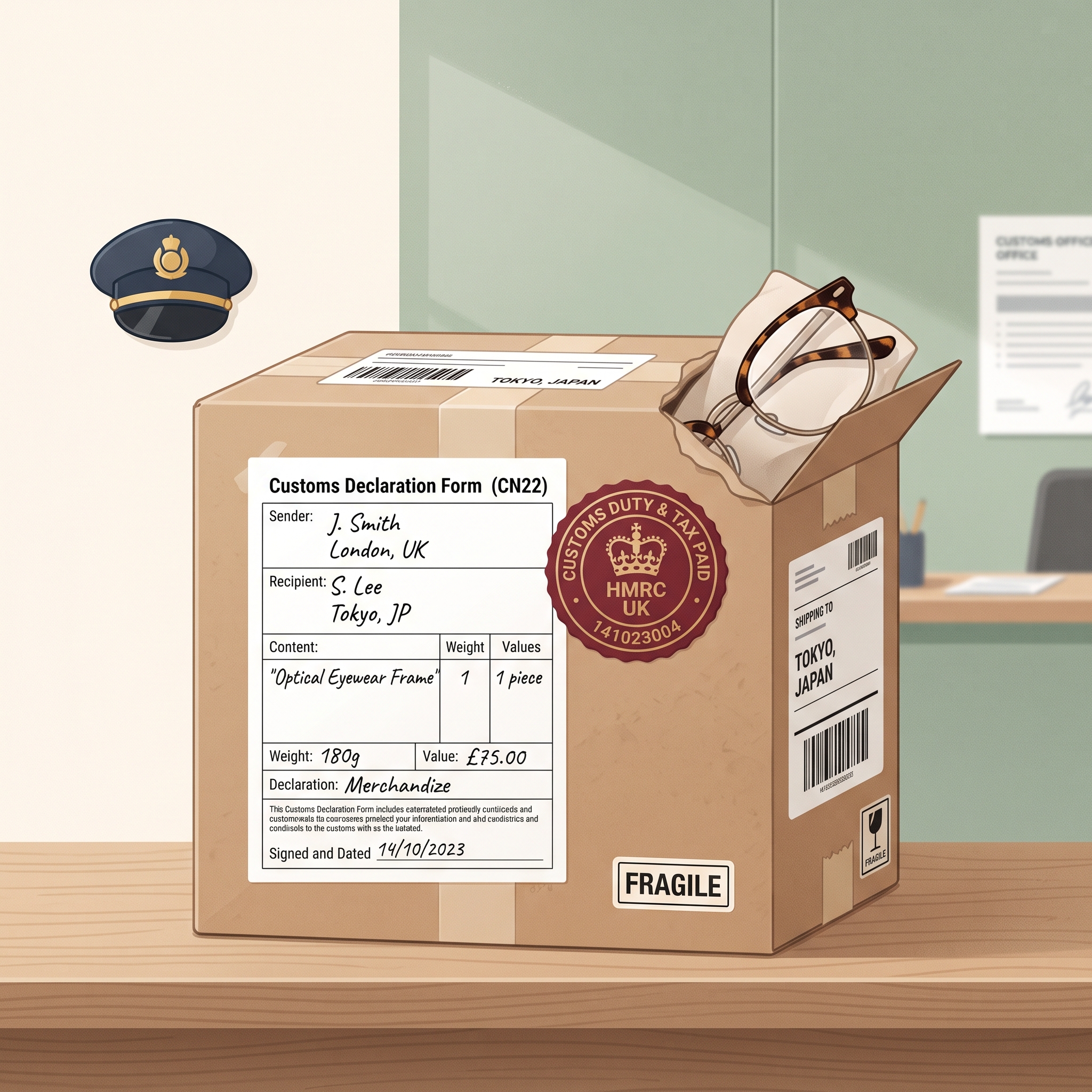
Through Royal Mail.

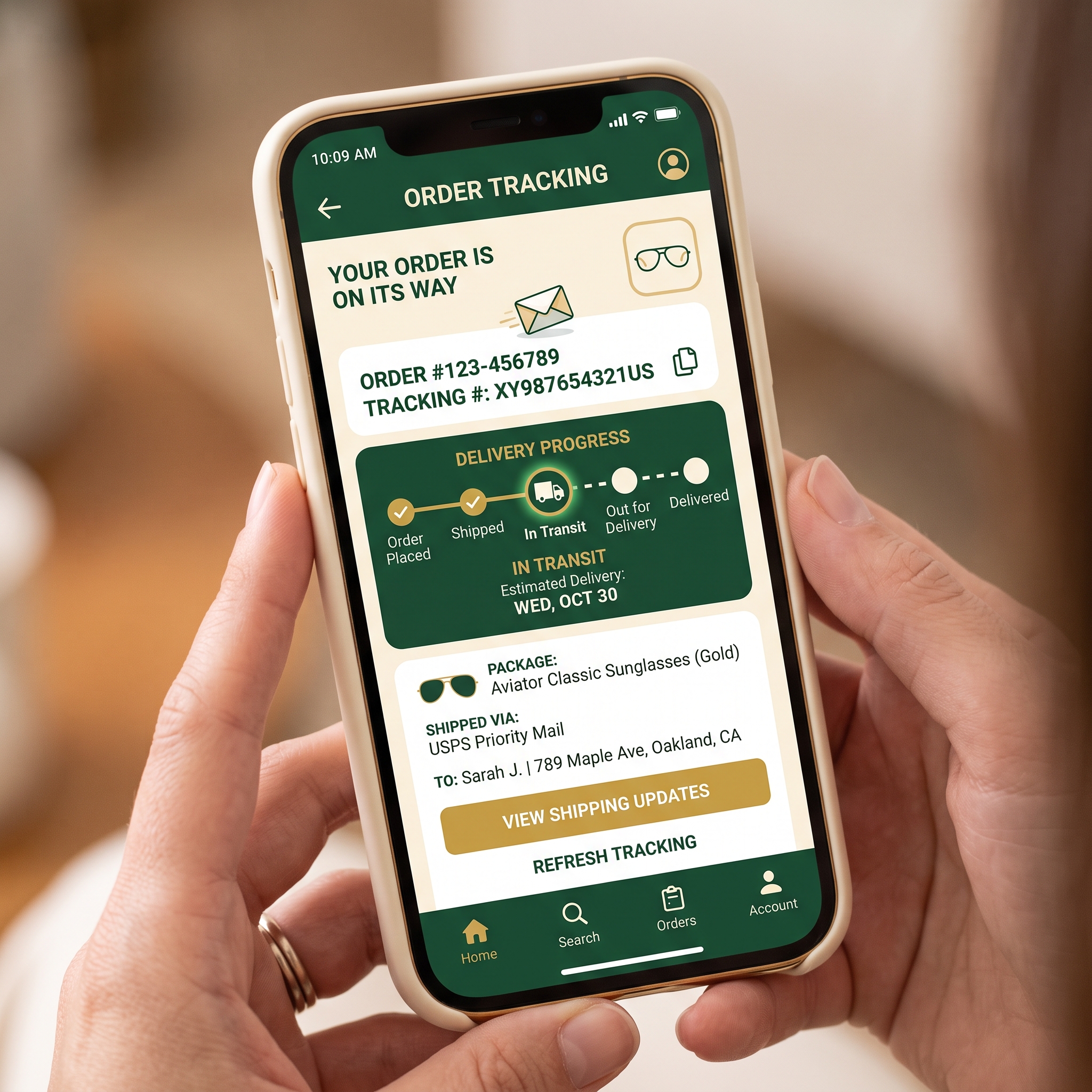
Yes, tracking is sent via email and updated in your account after dispatch.
Contact us within 24 hours by email or WhatsApp.
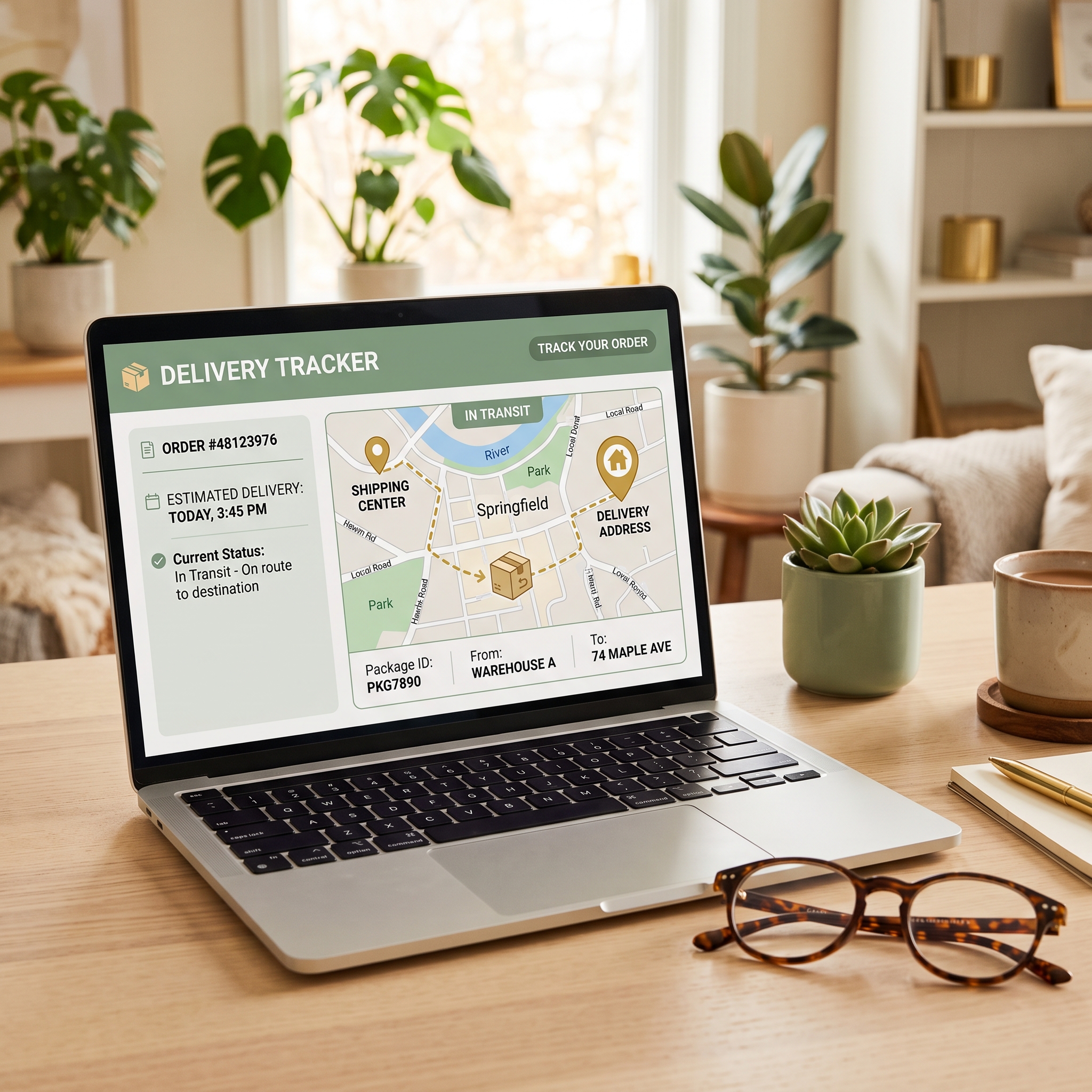
Track via your account or guest tracking page provided in email.
We accept Credit/Debit cards, PayPal, Apple Pay, and Amazon Pay.

Yes, payments are processed securely. We do not store card details.

No direct insurance, but FSA/HSA cards may work depending on provider.

24/7 Customer Support via live chat, email, or WhatsApp.
Email: [email address]
Phone: [phone number]
No results found
Try searching with different keywords or browse all questions.
Still Have Questions?
Can't find the answer you're looking for? Our friendly customer support team is here to help you with anything you need — from choosing frames to understanding your prescription.